

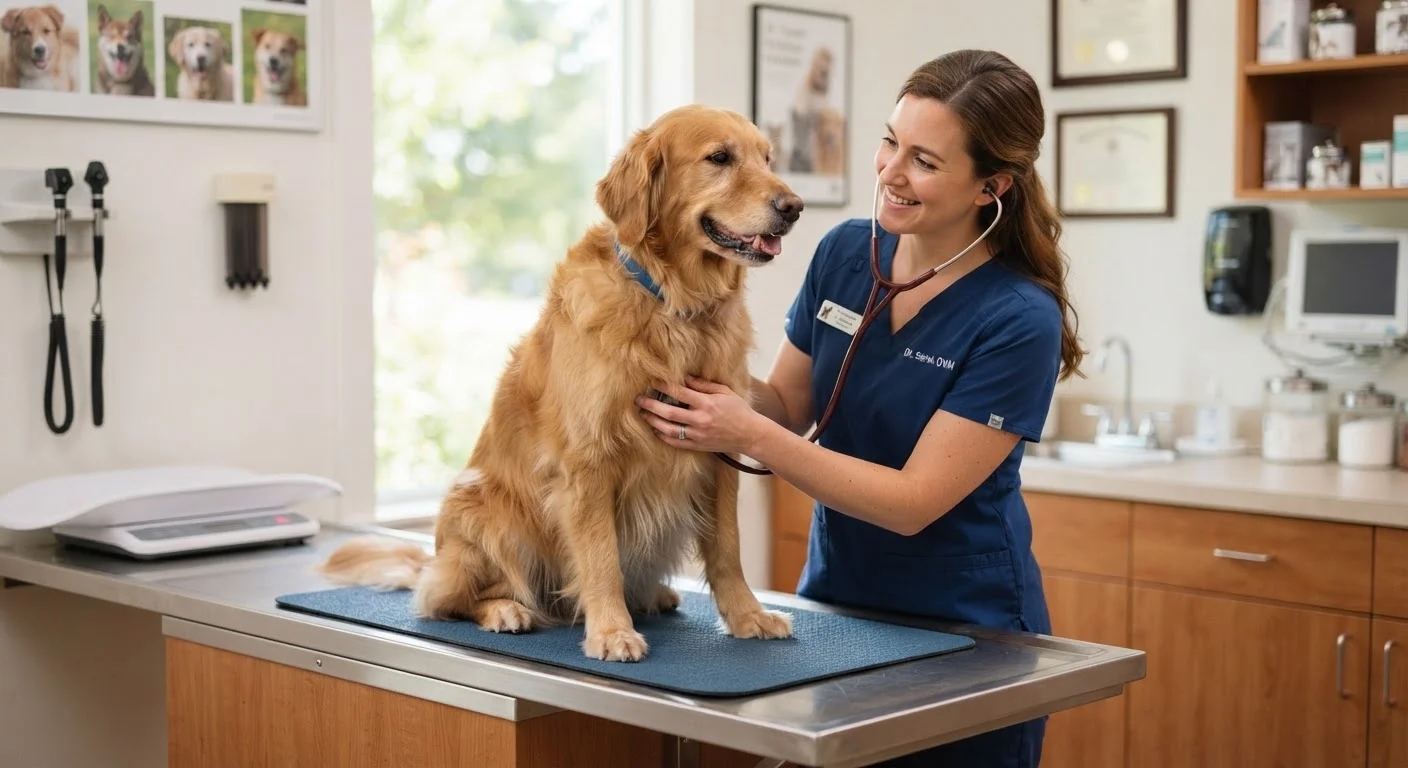
The Real Cost of Waiting
Most pet owners don't skip vet visits out of carelessness — they skip them because the upfront cost feels like something they can defer. But waiting until a pet is visibly sick almost always results in a higher bill, a harder treatment process, and a more stressed-out animal. The financial math is rarely on the side of delay.
Think of it the same way you'd think about car maintenance. Skipping routine upkeep rarely saves money — it just moves the cost forward with interest. The same principle applies to your pet's health. A $60 heartworm test today can prevent a months-long, multi-hundred-dollar treatment course down the line.
Preventive care is also about more than money. Many serious conditions — kidney disease, diabetes, thyroid disorders — show no obvious symptoms in early stages. A vet exam and bloodwork can surface these issues when they're far easier and less expensive to manage.
70%+
Pets over 3 with dental disease
The American Veterinary Medical Association notes that most dogs and cats show signs of dental disease by age three, making dental care one of the most commonly overlooked preventive needs.
4–5x
Cost multiplier: heartworm treatment vs. prevention
Veterinary cost estimates consistently show that treating an active heartworm infection can cost many times more than a full year of monthly preventive medication.
What Preventive Care Actually Covers
"Preventive care" isn't just vaccines. A comprehensive preventive approach typically includes several categories of service:
- Annual wellness exams: A full nose-to-tail physical that establishes a health baseline and lets your vet detect subtle changes year over year.
- Vaccinations: Core vaccines protect against serious, often fatal diseases like rabies, parvovirus, and distemper. Some are legally required.
- Parasite prevention: Year-round flea, tick, and heartworm prevention is significantly cheaper than treating an active infestation or infection.
- Dental care: Dental disease affects the majority of pets over age three. Professional cleanings prevent tooth loss and related health complications including heart and kidney issues.
- Routine bloodwork: Even in healthy-seeming pets, annual panels can reveal early kidney or liver changes, anemia, or blood sugar issues that are far more manageable when caught early.
If you're not sure whether your pet is up to date, some warning signs are worth acting on sooner than you think.
Making Preventive Care Fit Your Budget
The best way to handle preventive vet care financially is to treat it like any other recurring household expense — because that's exactly what it is. Many pet owners are caught off guard because vet costs never show up in their initial budget planning. Irregular but predictable expenses derail more budgets than everyday spending, and pet care is a classic example.
Budget Preventive Care as a Line Item
Estimate your pet's annual preventive care costs — exam fees, vaccines, parasite prevention, and dental — and divide by 12. Setting aside that amount monthly means you're never caught off guard when a checkup comes due. Even a modest monthly contribution builds a meaningful cushion over time.
Depending on your situation, you may also want to consider building a dedicated pet emergency fund or evaluating whether pet insurance makes sense for your household. Weighing insurance against a self-funded savings approach is a worthwhile exercise, especially as your pet ages. And if you don't yet have a financial cushion for veterinary emergencies, starting a pet emergency fund sooner rather than later can make a real difference.
This article is for general informational purposes only and does not constitute veterinary or financial advice. Please consult a licensed veterinarian for guidance specific to your pet's health needs, and a qualified financial professional for personalized financial planning.
Frequently Asked Questions
Most healthy adult dogs and cats benefit from an annual wellness exam. Senior pets (generally 7 years and older) often need checkups every six months because age-related conditions can develop quickly. Your vet can recommend a schedule based on your pet's age, breed, and health history.
A standard wellness visit usually covers a physical exam, weight check, vaccination updates, heartworm or parasite testing, and a discussion of your pet's diet and behavior. Many vets also recommend annual bloodwork to establish a health baseline and flag early organ changes.
Generally yes — catching a condition early almost always costs less to treat than managing an advanced illness. For example, a dental cleaning to prevent periodontal disease is far less expensive than tooth extractions or treating related organ damage later.
Some veterinary clinics offer wellness plans or payment options, and community veterinary clinics sometimes provide low-cost core services. Starting a dedicated pet savings fund — even a small monthly contribution — can help cover routine costs over time without financial strain.
Standard pet insurance policies typically cover accidents and illnesses, not routine wellness visits. However, some insurers offer optional wellness riders that reimburse for preventive services. It's worth reviewing any policy carefully to understand what is and isn't included.
The content provided on our blog site traverses numerous categories, offering readers valuable and practical information. Readers can use the editorial team’s research and data to gain more insights into their topics of interest. However, they are requested not to treat the articles as conclusive. The website team cannot be held responsible for differences in data or inaccuracies found across other platforms. Please also note that the site might also miss out on various schemes and offers available that the readers may find more beneficial than the ones we cover.