

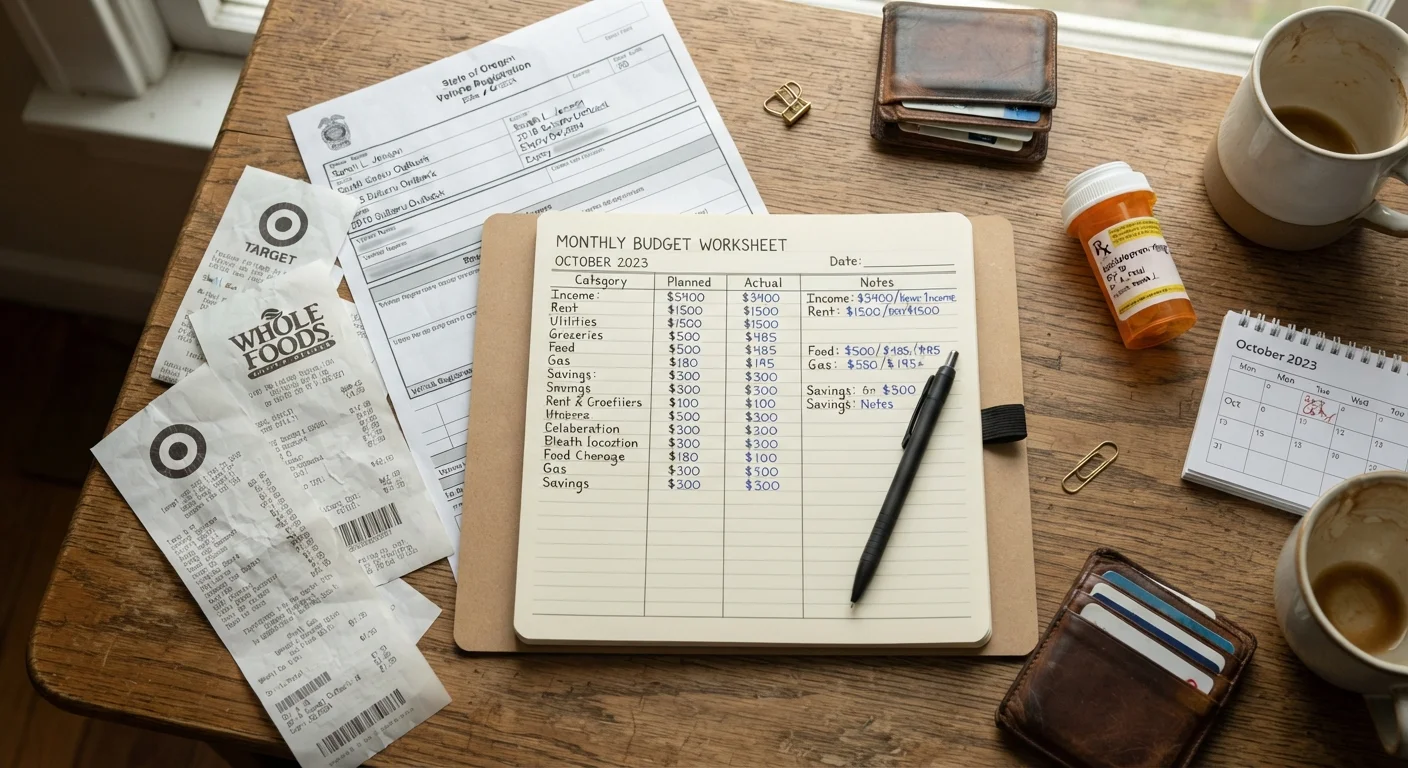
Why Your Budget Keeps Coming Up Short
You tracked your rent, utilities, groceries, and streaming subscriptions. You felt prepared. Then the car registration bill arrived, followed by an annual renter's insurance premium, and suddenly the budget that looked solid on paper is $400 short. Sound familiar?
The problem isn't discipline — it's architecture. Most budget templates are built around monthly recurring costs, which means anything that hits quarterly, annually, or unpredictably gets left out entirely. Over the course of a year, those overlooked categories can easily add up to thousands of dollars.
Understanding the difference between fixed and variable expenses is the foundation. But there's a third category most guides skip: irregular expenses — costs that are real and predictable in the sense that they will happen, just not every month. The list below covers the spending categories most people forget to budget for, along with a practical approach to planning each one.
Build a Dedicated Irregular Expenses Fund
Rather than maintaining separate savings accounts for every category, consider keeping one 'irregular expenses' fund and tracking the sub-categories in a spreadsheet or notes app. Total all your infrequent annual costs, divide by 12, and transfer that amount to the fund each month. When a bill arrives, the money is already there.
Forgotten Budget Categories to Start Tracking Now
Vehicle Registration and Licensing Fees
Annual vehicle registration fees vary significantly by state — they can range from under $30 to several hundred dollars depending on your location, vehicle age, and local surcharges. Many drivers also face emissions testing fees or county-level add-ons. Because these charges arrive once a year, they're easy to forget until the renewal notice appears. Divide your total expected cost by 12 and set aside that amount monthly so the bill doesn't blindside you. If you're rethinking transportation costs more broadly, common commuting decisions that cost more than expected covers several related blind spots.
Divide your annual registration fee by 12 and save monthly — problem solved before it starts.
Medical and Dental Copays and Deductibles
Even with health insurance, out-of-pocket costs accumulate quickly. Copays for primary care visits, specialist appointments, prescription refills, and dental cleanings add up throughout the year — and if something unexpected happens (a sprained ankle, a tooth that needs a crown), your deductible may kick in all at once. A realistic monthly budget should include an estimated figure for these costs based on your typical usage. Review your Explanation of Benefits statements from the prior year to get a baseline. This is general financial planning information, not a substitute for guidance from a licensed insurance professional who understands your specific plan.
Review last year's Explanation of Benefits to estimate realistic monthly out-of-pocket medical costs.
Annual Subscriptions and Memberships
Monthly subscription costs feel manageable because they're small. But annual renewals — for software, cloud storage, professional associations, gym memberships, and streaming services billed yearly — can appear as large lump sums. Audit your bank and credit card statements for any subscription marked "annual" or "yearly." Add them up, divide by 12, and treat that monthly average as a fixed budget line. This exercise often uncovers subscriptions you've forgotten about entirely, which means it can also reveal easy savings.
Auditing for annual subscriptions often uncovers charges you forgot you were paying.
Pet Care Beyond Basic Food
Pet owners typically budget for food but underestimate everything else: annual vet wellness exams, vaccines, flea and tick prevention, grooming, boarding during travel, and the occasional unexpected illness or injury. Veterinary costs have risen considerably in recent years, and emergency visits in particular can run into the hundreds or thousands of dollars. Building a modest monthly contribution into a pet-specific savings category is one of the most practical things pet owners can do. Preventive vet care often reduces long-term costs — another reason to plan for it rather than defer it.
Routine vet care, vaccines, and grooming cost far more annually than most pet budgets reflect.
Home and Renter's Insurance Premiums
Many people pay insurance premiums annually or semi-annually rather than monthly, which makes it easy to overlook in a monthly budget. Renters insurance is often billed annually and can be a relatively small total, but homeowner's insurance premiums can be significantly larger. If your premium is paid through an escrow account bundled into your mortgage, confirm the exact amount so you can factor in any annual adjustments. If you pay directly, divide the annual premium by 12 and include it as a monthly sinking fund contribution.
Insurance premiums paid annually or semi-annually need a monthly savings placeholder in your budget.
Personal Care and Clothing Replacement
Haircuts, toiletries, contact lenses, eyeglasses, and clothing replacement are real recurring costs that many budgets either exclude or significantly underestimate. These aren't luxuries — they're necessities that arise throughout the year. Rather than treating each purchase as a one-off surprise, estimate your annual spending in this category (again, past bank statements are the most reliable guide) and assign a monthly budget line. Even a modest allocation prevents these items from pushing your budget into the red.
Clothing and personal care are necessities, not extras — they deserve a dedicated budget line.
Gifts and Social Obligations
Birthdays, weddings, graduations, baby showers, holiday gifts — the social calendar generates real financial demands. Many people handle these reactively, pulling money from wherever it's available in the moment, which disrupts other budget categories. A simple approach: estimate how much you typically spend on gifts and social events per year, divide by 12, and treat it as a monthly savings target. If you travel for holidays or events, a pre-trip budget planning checklist can help you anticipate those added costs before they arrive.
Gift and event spending is predictable at the annual level — plan for it monthly so it doesn't disrupt other categories.
How to Find Your Missing Categories
The most reliable method is to pull three to six months of bank and credit card statements and search for any charge that doesn't appear every single month. Highlight those transactions and group them by category. This process typically surfaces five to ten overlooked budget items that, once averaged out monthly, can meaningfully shift your financial picture.
Once you've identified your missing categories, use a monthly budget setup checklist to work them into your overall plan systematically. And if tracking feels tedious, low-effort spending tracking methods can make the habit sustainable. Even a rough estimate beats leaving a category out entirely — most budgets fall apart in the second month precisely because irregular costs weren't accounted for from the start.
This article is for general informational and educational purposes only and does not constitute personalized financial advice. Consider consulting a qualified financial professional for guidance specific to your situation.
The content provided on our blog site traverses numerous categories, offering readers valuable and practical information. Readers can use the editorial team’s research and data to gain more insights into their topics of interest. However, they are requested not to treat the articles as conclusive. The website team cannot be held responsible for differences in data or inaccuracies found across other platforms. Please also note that the site might also miss out on various schemes and offers available that the readers may find more beneficial than the ones we cover.