

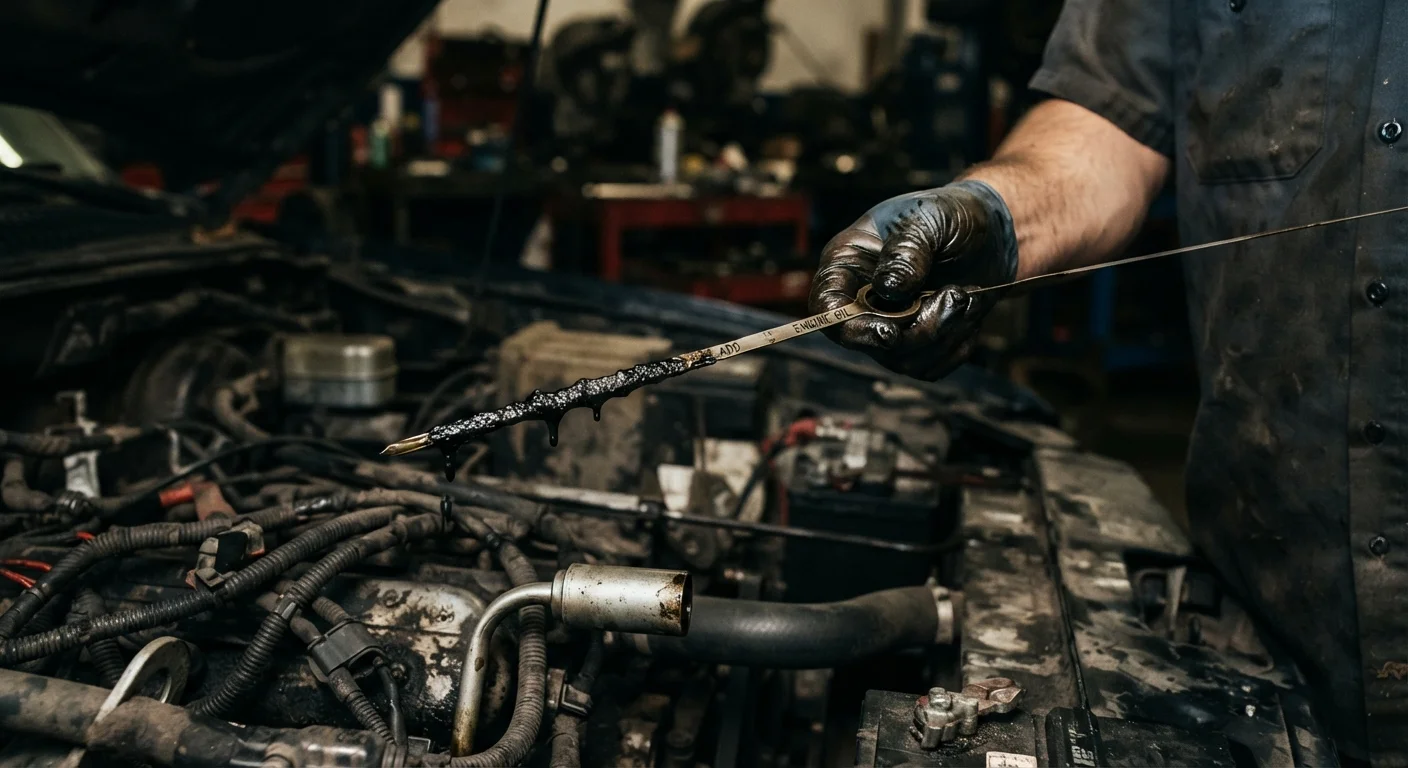
What Engine Oil Actually Does
Motor oil performs several critical functions simultaneously: it lubricates moving metal parts to reduce friction, carries heat away from the engine, suspends combustion byproducts so they can be captured by the filter, and helps seal gaps between pistons and cylinder walls. When oil is fresh, it does all of this efficiently.
Over time and mileage, that oil breaks down. Heat causes oxidation, contaminants accumulate, and additives that protect metal surfaces get depleted. What started as a protective fluid gradually becomes a thick, acidic sludge that does far more harm than good. Understanding this degradation is what makes regular oil changes non-negotiable - not just a dealership upsell.
For a broader look at how oil fits into your car's overall maintenance picture, see Routine Car Maintenance Every Owner Should Understand.
The Mistakes That Lead to Engine Damage
Most oil change neglect doesn't come from carelessness - it comes from misunderstanding the real stakes. Here are the most common errors first-time owners make, and what each one actually costs.
Extending oil change intervals far beyond the manufacturer's recommendation.
Why it happens: Many drivers assume the old "every 3,000 miles" rule still applies universally, or they push intervals to save money in the short term.
Ignoring the oil change warning light or dashboard notification.
Why it happens: Dashboard alerts are easy to dismiss, especially when the car still seems to be running fine. Many drivers assume the light is overly conservative.
Failing to check oil level between scheduled changes.
Why it happens: Most drivers only think about oil at service appointments and don't realize engines can consume or leak oil between changes, especially older vehicles.
Using the wrong oil type or viscosity for the engine.
Why it happens: Grabbing whatever oil is on sale or assuming all motor oil is interchangeable leads to mismatched viscosity grades that don't protect the engine properly under its operating conditions.
Skipping oil changes because the car "seems fine."
Why it happens: Engine degradation from poor lubrication is largely invisible until significant damage has already occurred. The car doesn't telegraph internal wear with obvious symptoms early on.
The Financial Reality: Small Service, Massive Savings
$35-$125
Typical oil change cost range
Conventional service typically falls at the lower end; full synthetic formulations cost more but often allow longer intervals between changes.
$5,000+
Cost of a seized or replaced engine
Engine replacement is one of the most expensive repairs a vehicle can require, and deferred oil maintenance is a documented contributing factor.
5,000-7,500 mi
Common recommended oil change interval
Many modern vehicles with synthetic oil can go further; always consult your owner's manual for the interval specific to your engine.
A conventional oil change typically costs between $35 and $75 depending on the vehicle and service location. A synthetic oil change runs $70 to $125. By contrast, repairing engine sludge damage can cost $1,000 to $4,000. A failed connecting rod bearing - a direct consequence of oil starvation - can run $2,000 to $5,000. A completely seized engine requiring replacement can cost $5,000 to $10,000 or more, sometimes exceeding the car's market value.
These aren't worst-case outliers. They're documented repair categories that mechanics handle regularly on vehicles whose owners simply delayed maintenance too long. The math is unambiguous: no amount of skipped oil changes offsets a single major engine repair.
Low Oil Level Is an Emergency, Not a Reminder
If your oil pressure warning light (distinct from the oil change reminder light) illuminates while driving, pull over safely as soon as possible and shut off the engine. Continuing to drive with critically low oil pressure can cause permanent engine damage within minutes. Have the vehicle inspected by a qualified mechanic before driving further.
If budget pressure is a real concern, Keeping a Car Running Well on a Tight Budget offers practical strategies for staying on top of maintenance without financial strain. And if you're weighing whether car ownership makes sense at all, The True Cost of Car Ownership vs. Going Car-Free breaks down the full picture.
This article is for general informational purposes only and does not constitute professional mechanical or financial advice. Maintenance intervals and repair costs vary by vehicle, driving conditions, and service provider. Consult a qualified mechanic for guidance specific to your vehicle.
The content provided on our blog site traverses numerous categories, offering readers valuable and practical information. Readers can use the editorial team’s research and data to gain more insights into their topics of interest. However, they are requested not to treat the articles as conclusive. The website team cannot be held responsible for differences in data or inaccuracies found across other platforms. Please also note that the site might also miss out on various schemes and offers available that the readers may find more beneficial than the ones we cover.