

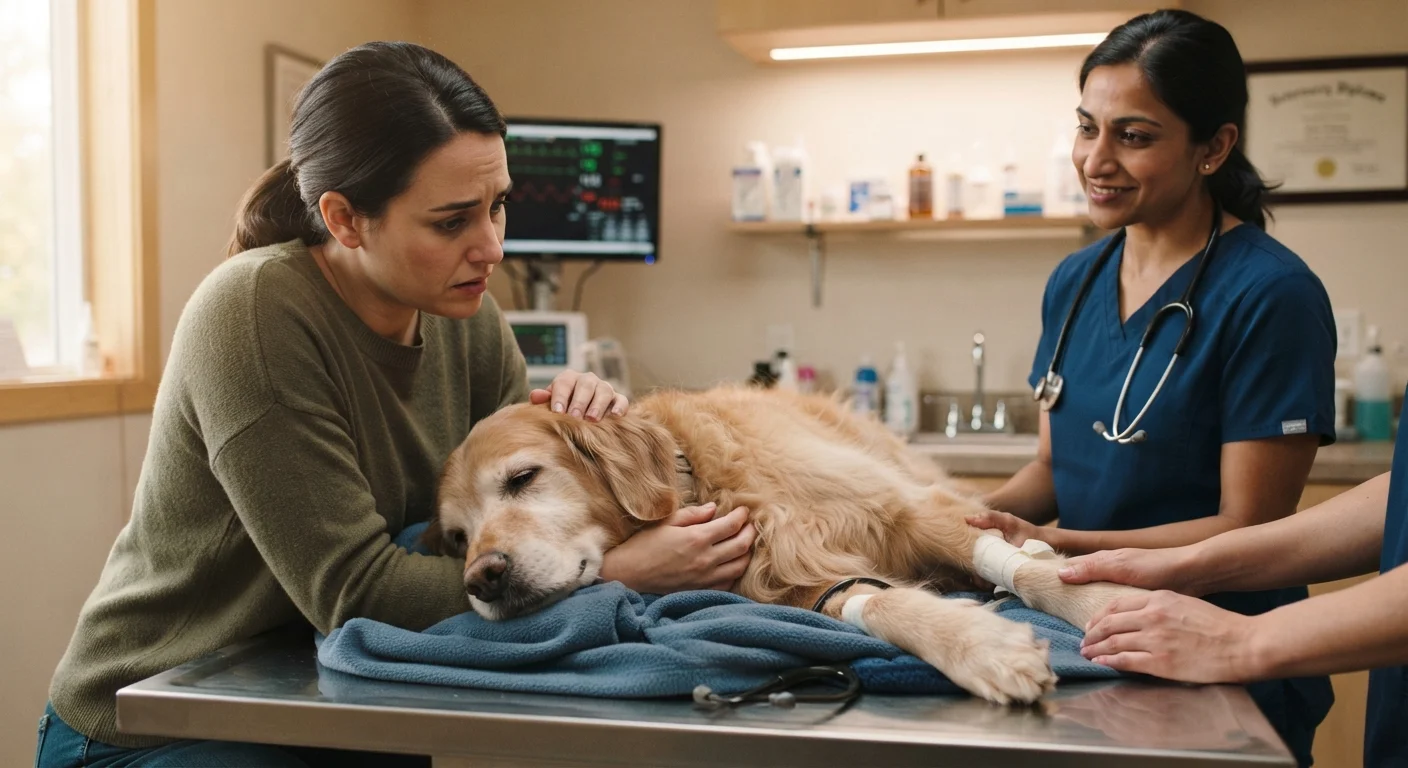
When 'They Seem a Little Off' Is Actually a Red Flag
Most pet owners have been there: your dog seems quieter than usual, your cat skips a meal, and you find yourself wondering if it's worth calling the vet or just waiting to see how tomorrow goes. That instinct to observe before acting is understandable — vet visits have real costs, and nobody wants to overreact. But some symptoms that look minor on the surface are actually your pet's way of signaling something that needs prompt attention.
Animals are remarkably good at masking discomfort. By the time symptoms become obvious, a condition may have already progressed. Understanding which signs shouldn't be watched and waited on — versus which ones are genuinely fine to monitor at home — can make a real difference in your pet's wellbeing and, often, in your vet bill too. As we explore in why preventive vet care saves money in the long run, catching problems early almost always costs less than treating them late.
Below are the warning signs that veterinarians consistently say deserve a call or visit sooner rather than later.
Difficulty Breathing or Labored Breath
Open-mouth breathing in cats, rapid shallow panting in dogs at rest, or any visible effort to breathe — like the belly heaving or the elbows splaying out — are signs that should never wait. Respiratory distress can escalate quickly and may indicate heart disease, fluid around the lungs, or airway obstruction. If your pet is struggling to breathe, treat it as an emergency.
Labored breathing at rest is never normal — treat it as an emergency every time.
Vomiting or Diarrhea That Won't Stop
A single episode of vomiting or a loose stool isn't always cause for panic, but repeated vomiting within a few hours, vomiting with blood, or diarrhea lasting more than 24 hours warrants a vet call. Pets can dehydrate quickly, especially small animals, puppies, and kittens. If your pet is also lethargic or refusing water, move faster — don't wait until morning.
Repeated vomiting or bloody stool is never just a 'tummy thing' to sleep off.
Straining to Urinate — Especially in Cats
A cat making repeated trips to the litter box and producing little or nothing is a potential emergency. Male cats in particular are vulnerable to urinary blockages, which can become life-threatening within 24 to 48 hours if untreated. In dogs, straining to urinate — or crying out while trying — can indicate a bladder infection, stones, or obstruction. Either way, this symptom demands same-day attention.
A cat straining in the litter box with no output is a medical emergency, not a quirk.
Sudden Lethargy or Collapse
Every pet has slow days, but sudden, dramatic changes in energy — a dog who won't lift their head, a cat who stops moving between rooms — are different from ordinary tiredness. Collapse, inability to stand, or extreme weakness can signal internal bleeding, toxin ingestion, severe infection, or cardiac events. If your pet can't support their own weight or seems unresponsive, go to an emergency vet immediately.
Sudden collapse or inability to stand is a true emergency — don't wait for a callback.
Not Eating or Drinking for More Than 24 Hours
Skipping one meal is common and often harmless. But a pet that hasn't eaten or drunk water in more than a day — especially combined with any other symptom — is telling you something is wrong. This is especially urgent in small animals like rabbits or guinea pigs, whose digestive systems can fail rapidly when food intake stops. If you have a small pet, consult a vet who specializes in exotic animals; keeping small pets healthy covers what proactive care looks like for these animals.
More than 24 hours without food or water, paired with other symptoms, always warrants a call.
Eye Changes, Squinting, or Sudden Vision Problems
Eyes change quickly in pets. A cloudy eye, visible third eyelid, discharge that appeared suddenly, squinting, or pawing at the face can point to conditions like glaucoma or corneal ulcers — both of which can cause permanent vision loss if not treated within hours to days. If your pet's eye looks different than it did yesterday, call your vet that day rather than scheduling for next week.
Eye conditions in pets can cause permanent damage if treatment is delayed even a day or two.
Swollen or Distended Abdomen
A belly that looks bloated or feels hard and tight — especially in large-breed dogs — can be a sign of bloat (gastric dilatation-volvulus, or GDV), a condition that can be fatal without emergency surgery. Even in smaller pets, abdominal swelling can indicate fluid accumulation, organ enlargement, or internal issues. If your pet's stomach looks or feels abnormal, don't wait to see if it resolves on its own.
A visibly bloated abdomen in a dog is a potential surgical emergency — act immediately.
Trust Your Gut — and Then Call the Vet
You know your pet better than anyone. If something feels off, that instinct is worth honoring — even if you can't quite name what's wrong. A quick call to your vet's office can help you decide whether you need to come in right away, schedule an appointment within a day or two, or monitor carefully at home.
Keep Your Vet's After-Hours Number Handy
Save your regular vet's number and the nearest 24-hour emergency animal hospital in your phone before you ever need them. In a stressful moment, searching for contact information wastes precious time. Many regular vet offices also have an after-hours line or recorded guidance that can help you decide whether something requires emergency care.
Unexpected vet bills are one of the most common financial stressors for pet owners. If you don't yet have a financial cushion set aside, building a pet emergency fund is a practical next step — even starting small can help. And if you're newer to pet ownership and want a fuller picture of what costs to expect, the real cost of owning a pet covers the financial realities many first-timers don't anticipate.
This article is for general informational purposes only and does not constitute veterinary advice. Always consult a licensed veterinarian regarding your pet's health, symptoms, or treatment options.
The content provided on our blog site traverses numerous categories, offering readers valuable and practical information. Readers can use the editorial team’s research and data to gain more insights into their topics of interest. However, they are requested not to treat the articles as conclusive. The website team cannot be held responsible for differences in data or inaccuracies found across other platforms. Please also note that the site might also miss out on various schemes and offers available that the readers may find more beneficial than the ones we cover.