

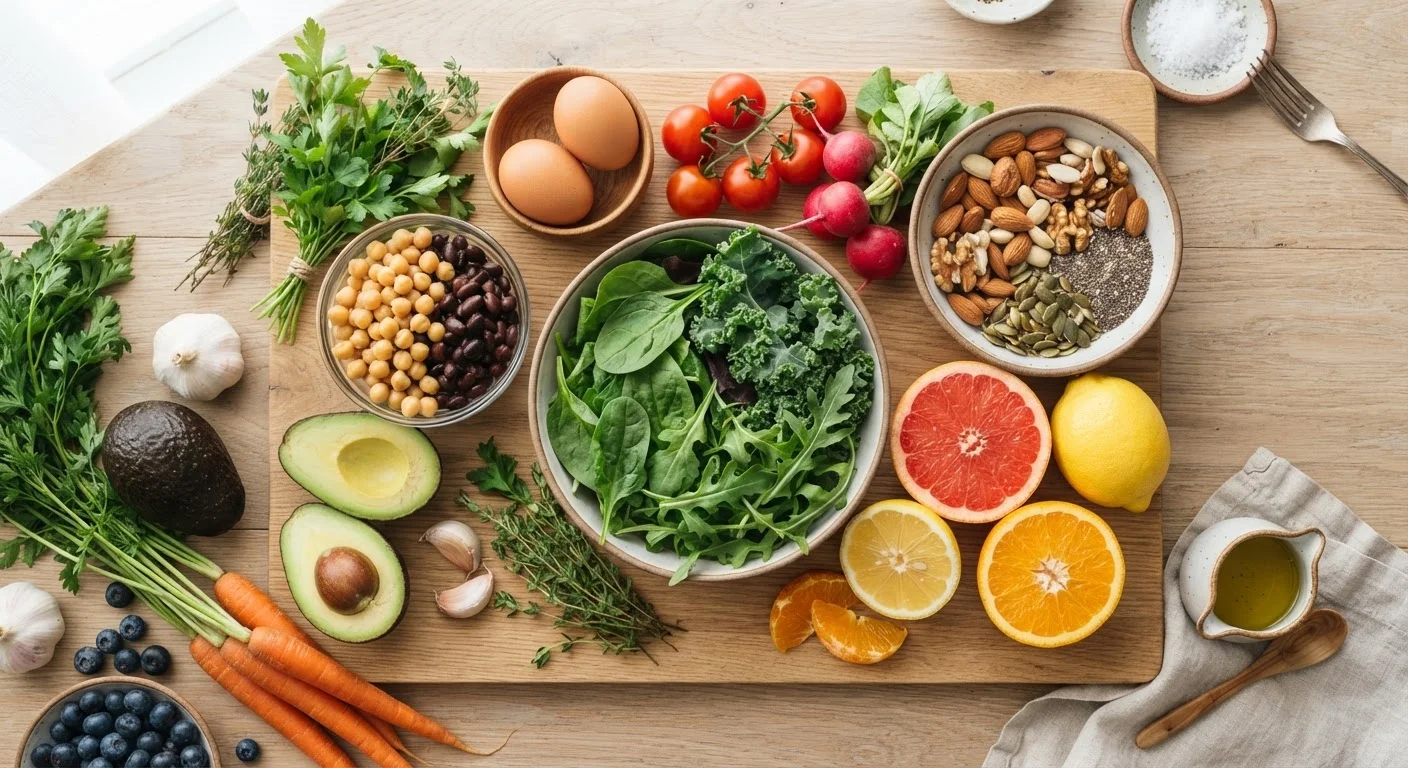
Why Micronutrients Keep Slipping Through the Cracks
You've probably thought about calories, protein, or carbs at some point — but vitamins and minerals? Those tend to stay invisible until something goes wrong. Unlike macronutrients, which fuel your body's engine, micronutrients are the mechanics keeping everything running: immune defense, bone density, energy metabolism, and even mood regulation all depend on them. For a deeper look at how macronutrients fit into the picture, see Macronutrients, Explained Without the Jargon.
Young adults are particularly vulnerable to quiet shortfalls. Tight budgets lead to fewer fresh vegetables. Busy schedules mean more convenience foods. A move toward plant-based eating, while beneficial in many ways, introduces specific gaps worth planning around. These aren't personal failures — they're structural patterns worth understanding.
Micronutrient
Vitamins and minerals your body needs in relatively small amounts to function properly. Unlike macronutrients, they provide no calories but are essential for nearly every biological process.
Dietary Reference Intake (DRI)
A set of science-based reference values established by health authorities to guide adequate nutrient consumption across different age groups and sexes.
Bioavailability
How readily a nutrient is absorbed and used by your body after you consume it. The same nutrient can have very different bioavailability depending on its food source or what it's eaten with.
Subclinical Deficiency
A nutrient shortfall that doesn't yet meet the clinical threshold for a diagnosed deficiency but can still cause subtle symptoms like fatigue, poor concentration, or lowered immunity.
Fortified Food
A food that has had one or more nutrients added to it that weren't naturally present or were present in lower amounts. Common examples include fortified cereals, plant milks, and iodized salt.
The Most Common Shortfalls in Young Adult Diets
Research consistently points to a handful of nutrients that young Americans struggle to get enough of:
| Most common shortfall in young women | Iron (National Health and Nutrition Examination Survey (NHANES)) |
| Vitamin D insufficiency in U.S. adults | ~42% (Nutritional Research, 2011 NHANES data) |
| Magnesium deficiency estimate (U.S.) | Nearly 50% (Nutrition Reviews, general population estimates) |
| Calcium adequate intake (adults 19–50) | 1,000 mg/day (National Institutes of Health, Office of Dietary Supplements) |
| Key food sources of iron | Lentils, beef, spinach, fortified cereals |
| Vitamin B12 absorption concern | Primarily affects people eating plant-only diets (Academy of Nutrition and Dietetics) |
- Iron: Essential for carrying oxygen in the blood. Young women who menstruate have higher needs and are especially prone to depletion. Good food sources include lentils, kidney beans, tofu, red meat, and iron-fortified cereals. Pairing plant-based iron sources with vitamin C (like a squeeze of lemon) improves absorption significantly.
- Vitamin D: Supports bone health, immune function, and may play a role in mood regulation. It's found in very few foods naturally — fatty fish and egg yolks being notable exceptions — and is difficult to get enough of from diet alone, especially in northern latitudes or for people with limited sun exposure.
- Magnesium: Involved in hundreds of enzymatic reactions, including energy production and muscle function. It's found in whole grains, nuts, seeds, and leafy greens — foods that tend to disappear when diets become more processed.
- Calcium: Critical for bone density during the years when your skeleton is still developing (through your mid-twenties). Dairy is a well-known source, but fortified plant milks, canned salmon with bones, and leafy greens like bok choy also contribute meaningfully.
- Vitamin B12: Vital for nerve function and red blood cell production. It exists almost exclusively in animal products, making it a key concern for anyone eating a fully plant-based diet. Plant-based diets on a budget require intentional planning around this nutrient.
Symptoms of subclinical shortfalls — that middle ground before a clinical deficiency — often look like general tiredness, difficulty concentrating, or getting sick frequently. These are easy to dismiss as stress or poor sleep.
Eating to Fill the Gaps Without Overspending
Addressing micronutrient gaps doesn't require expensive supplements or specialty groceries. Many of the most nutrient-dense foods are also among the most affordable: eggs, canned sardines, dried lentils, frozen spinach, and plain yogurt consistently offer exceptional nutritional value per dollar. Budget-friendly proteins like eggs and lentils are also some of the best micronutrient sources available.
This Is General Information, Not Medical Advice
This article is meant to help you understand common nutrient patterns in young adult diets. It is not a substitute for personalized guidance from a registered dietitian or physician. If you suspect a deficiency, blood testing through a healthcare provider is the most reliable way to assess your status and determine whether supplementation is appropriate for you.
A few practical shifts make a real difference:
- Add a handful of leafy greens to meals you're already cooking — stir them into eggs, soups, or pasta.
- Swap refined grains for whole grains when the cost difference is small; oats, brown rice, and whole-wheat bread offer noticeably more magnesium and B vitamins.
- Include a legume — beans, lentils, or chickpeas — at least a few times per week as both a protein and iron source.
- If you eat little to no animal products, talk to a healthcare provider about B12 specifically; fortified foods or supplementation is generally recommended by major dietetic organizations.
Building a grocery routine around these principles is easier with a structured plan. A nutrition-focused grocery checklist can help you stay consistent without overthinking it. And if you want broader context on how dietary recommendations are developed, Understanding Dietary Guidelines is a useful starting point.
~42%
U.S. adults with vitamin D insufficiency
Estimates based on NHANES data suggest vitamin D shortfall is one of the most widespread nutrient gaps across American adults of all ages.
9 in 10
Americans not eating enough vegetables
According to CDC dietary data, the vast majority of Americans fall short of recommended vegetable intake — a primary driver of micronutrient gaps.
50%
Young women at risk of low iron
Menstruation significantly increases iron needs, making young women one of the groups most vulnerable to iron depletion.
This article is for general informational purposes only and does not constitute medical or dietary advice. Speak with a qualified healthcare provider or registered dietitian before making significant changes to your diet or starting any supplementation.
The content provided on our blog site traverses numerous categories, offering readers valuable and practical information. Readers can use the editorial team’s research and data to gain more insights into their topics of interest. However, they are requested not to treat the articles as conclusive. The website team cannot be held responsible for differences in data or inaccuracies found across other platforms. Please also note that the site might also miss out on various schemes and offers available that the readers may find more beneficial than the ones we cover.