

Why Maintenance Intervals Exist
Every car manufacturer publishes a maintenance schedule - a mileage- and time-based calendar of service tasks required to keep the vehicle running reliably. Skipping items doesn't just risk mechanical failure; it can void warranty coverage and quietly reduce resale value. If you're just getting started with ownership, the first-time buyer overview covers what to expect broadly before and after the purchase.
The owner's manual in your glove box - or available as a PDF from most manufacturers - is the authoritative source for your specific vehicle. Generic interval guides are useful starting points, but always cross-reference with your manual.
| Oil Change Interval (Synthetic) | 7,500-10,000 miles (varies by vehicle) (Manufacturer guidelines; confirm in your owner's manual) |
| Tire Rotation Frequency | Every 5,000-7,500 miles (General industry guidance) |
| Brake Fluid Flush | Every 2 years (Common manufacturer recommendation) |
| Engine Air Filter Replacement | Every 15,000-30,000 miles (Varies with driving environment) |
| Coolant Flush Interval | Every 30,000-50,000 miles (Check your vehicle's manual for specifics) |
| Cabin Air Filter | Every 15,000-25,000 miles (General industry guidance) |
Core Maintenance Items and Their Typical Intervals
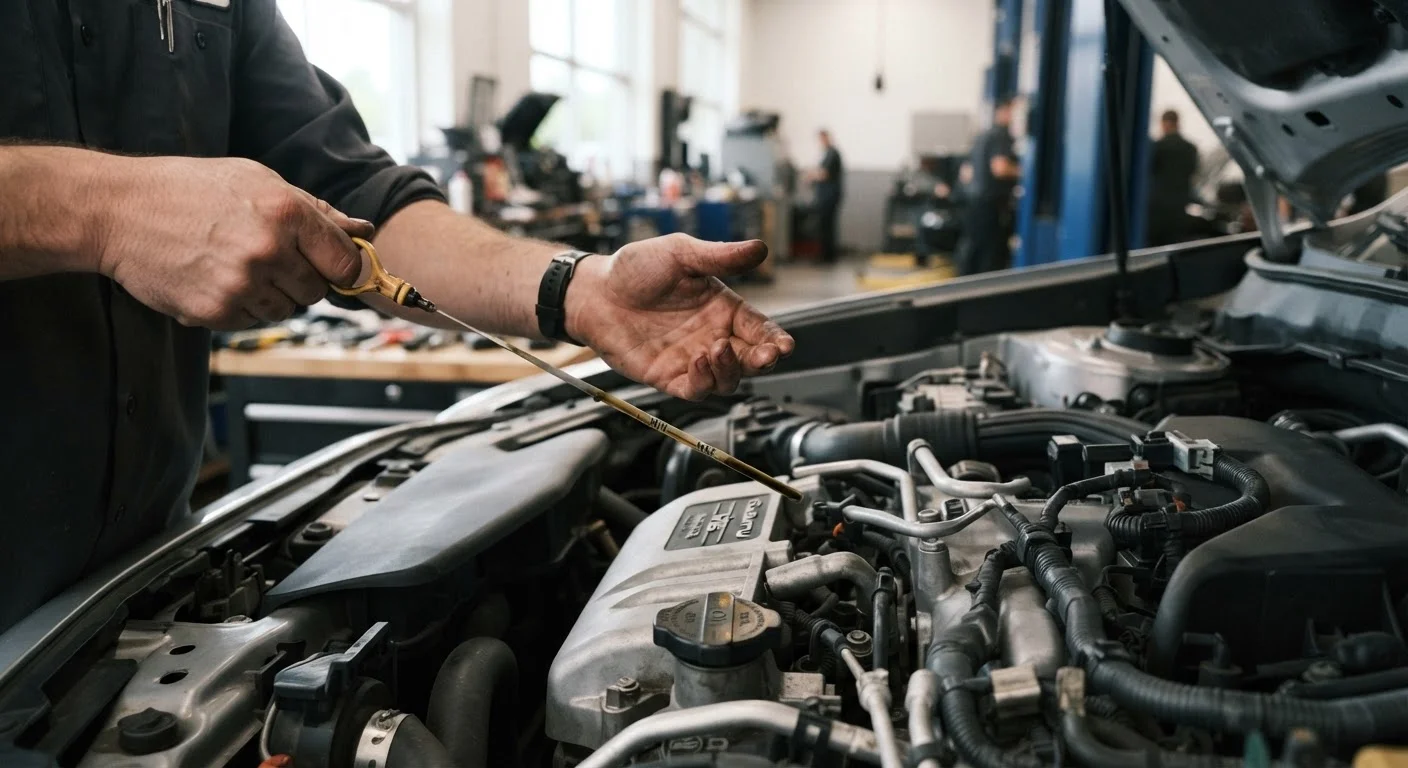
Engine Oil and Filter
Oil lubricates moving parts and carries heat away from the engine. Conventional oil typically requires changing every 5,000-7,500 miles; full synthetic oil is often rated for 7,500-10,000 miles or more, depending on the vehicle. The oil filter is replaced at the same service visit. Driving habits matter: frequent short trips, towing, or extreme temperatures shorten intervals.
Tire Rotation and Pressure
Rotating tires every 5,000-7,500 miles evens out wear, extending their usable life. Tire pressure should be checked monthly - a single PSI drop of 10 pounds per square inch can measurably affect fuel economy and handling. The correct inflation figure is on the sticker inside the driver's door jamb, not on the tire sidewall.
Brake System
Brake pads are generally inspected every 12,000 miles and replaced when friction material drops below roughly 3mm. Brake fluid absorbs moisture over time, reducing boiling point; most manufacturers recommend flushing it every two years. Squealing or grinding sounds are signals to have the system inspected by a qualified mechanic promptly - do not defer.
Air Filter (Engine)
The engine air filter prevents debris from entering the intake. A clogged filter reduces fuel efficiency and engine responsiveness. Replacement is typically recommended every 15,000-30,000 miles, but driving in dusty conditions can shorten this considerably.
Cabin Air Filter
Separate from the engine filter, the cabin air filter cleans air entering the passenger compartment through the HVAC system. Most manufacturers recommend replacing it every 15,000-25,000 miles, or when airflow from the vents noticeably weakens.
Coolant and Other Fluids
Engine coolant (antifreeze) prevents overheating and corrosion. A coolant flush is commonly recommended every 30,000-50,000 miles. Transmission fluid, power steering fluid, and windshield washer fluid each have their own service points - check the manual for intervals specific to your drivetrain.
Maintenance Schedule
A manufacturer-specified calendar of service tasks based on mileage and time. Following it helps preserve reliability, warranty coverage, and resale value.
Synthetic Oil
A refined, chemically engineered motor oil that typically lasts longer between changes and performs better under extreme temperatures than conventional oil.
Brake Flush
The process of draining old brake fluid and replacing it with fresh fluid. Over time, brake fluid absorbs moisture, which lowers its boiling point and can compromise braking performance.
Tire Rotation
Moving tires from one wheel position to another on a regular basis to even out tread wear and extend the usable life of all four tires.
Coolant (Antifreeze)
A liquid that circulates through the engine to regulate temperature and prevent freezing or boiling. It also inhibits corrosion inside the cooling system.
Cabin Air Filter
A replaceable filter in the HVAC system that cleans air before it enters the passenger compartment, removing dust, pollen, and other particles.
DIY vs. Shop: Knowing the Line
Some tasks - checking tire pressure, topping off washer fluid, inspecting wiper blades - are straightforward for most owners. Others, particularly brake work, suspension components, or anything involving the fuel or electrical system, carry real safety risks if done incorrectly and should be handled by a qualified mechanic.
If cost is a concern, maintaining your car on a tight budget walks through strategies that don't compromise safety or reliability. And if you're buying used, reading the vehicle history report can reveal whether previous owners kept up with service intervals - a strong predictor of what you'll inherit.
New owners also commonly miss scheduled emissions testing and state inspection deadlines in year one. What first-time owners often overlook covers these costs so they don't catch you off guard.
When to Override the Mileage Interval
Time matters as much as distance. If you drive fewer than 7,500 miles per year, some fluids and filters still degrade on a calendar basis - typically at least annually. Engine oil, for example, oxidizes over time even when the car sits. Always use whichever threshold - miles or months - comes first.
This article provides general vehicle maintenance information for educational purposes only. Service intervals vary by make, model, and driving conditions. Always consult your owner's manual and a licensed mechanic for advice specific to your vehicle.
The content provided on our blog site traverses numerous categories, offering readers valuable and practical information. Readers can use the editorial team’s research and data to gain more insights into their topics of interest. However, they are requested not to treat the articles as conclusive. The website team cannot be held responsible for differences in data or inaccuracies found across other platforms. Please also note that the site might also miss out on various schemes and offers available that the readers may find more beneficial than the ones we cover.