

Know What Your Landlord Is Required to Fix
Before you submit a single repair request, it helps to know what your landlord is legally obligated to address. In virtually every U.S. state, landlords must maintain rental units in a habitable condition — meaning functional heat, plumbing, hot water, and a structurally sound building. This standard comes from the implied warranty of habitability, a legal doctrine recognized across most states.
Issues that typically fall under this obligation include: broken heating or cooling systems, water leaks that risk mold or structural damage, pest infestations, faulty electrical wiring, and doors or windows that don't lock properly. Minor cosmetic issues — a scuffed wall, a squeaky floorboard — are usually not covered.
Your lease may assign you responsibility for certain minor upkeep tasks, like replacing light bulbs or changing HVAC filters. Review it carefully. But keep in mind: lease terms cannot strip away rights that state law guarantees you. For a deeper look at those protections, see our overview of renter protections by state.
Best Practices for Submitting Maintenance Requests
Submit every maintenance request in writing, even after a verbal conversation.
Written requests create a dated record that neither party can later deny or misremember. Without one, a 'he said, she said' dispute becomes very difficult to resolve in your favor.
Be specific and factual in your description of the problem.
Vague descriptions delay repairs because they require follow-up questions. Precise descriptions — location, symptoms, when you first noticed it — allow the landlord or maintenance team to come prepared.
Use your landlord's preferred or required communication channel — but always follow up in writing.
Some landlords use a property management portal; others prefer email. Using the right channel shows good faith and ensures your request is logged in the system they use.
Keep copies of all communications in a single, organized location.
Disputes over repairs can surface weeks or months later, especially at move-out. A centralized record lets you quickly retrieve the timeline without scrambling.
Follow up in writing if you haven't received a response within the timeframe your lease or state law specifies.
Silence is not consent, but it is also not leverage unless you've documented that you asked and received no reply. A dated follow-up strengthens your position.
How you report a problem matters as much as reporting it at all. A verbal complaint in the hallway is easy to forget — or deny. A written record isn't.
For guidance on who is responsible for specific types of repairs, our article on renting vs. owning repair responsibilities breaks it down clearly.
Document Everything: Your Best Protection
Documentation is the foundation of any maintenance dispute you may eventually need to resolve — whether that's recouping your security deposit or defending yourself against an unfair charge.
~50%
Renters who face a repair dispute at move-out
Industry surveys consistently find that roughly half of renters encounter some form of dispute over repairs or deposit deductions when they vacate a unit.
24–72 hrs
Typical required response time for urgent habitability issues
Most U.S. states set an emergency repair response window of one to three days for conditions like no heat, flooding, or gas leaks.
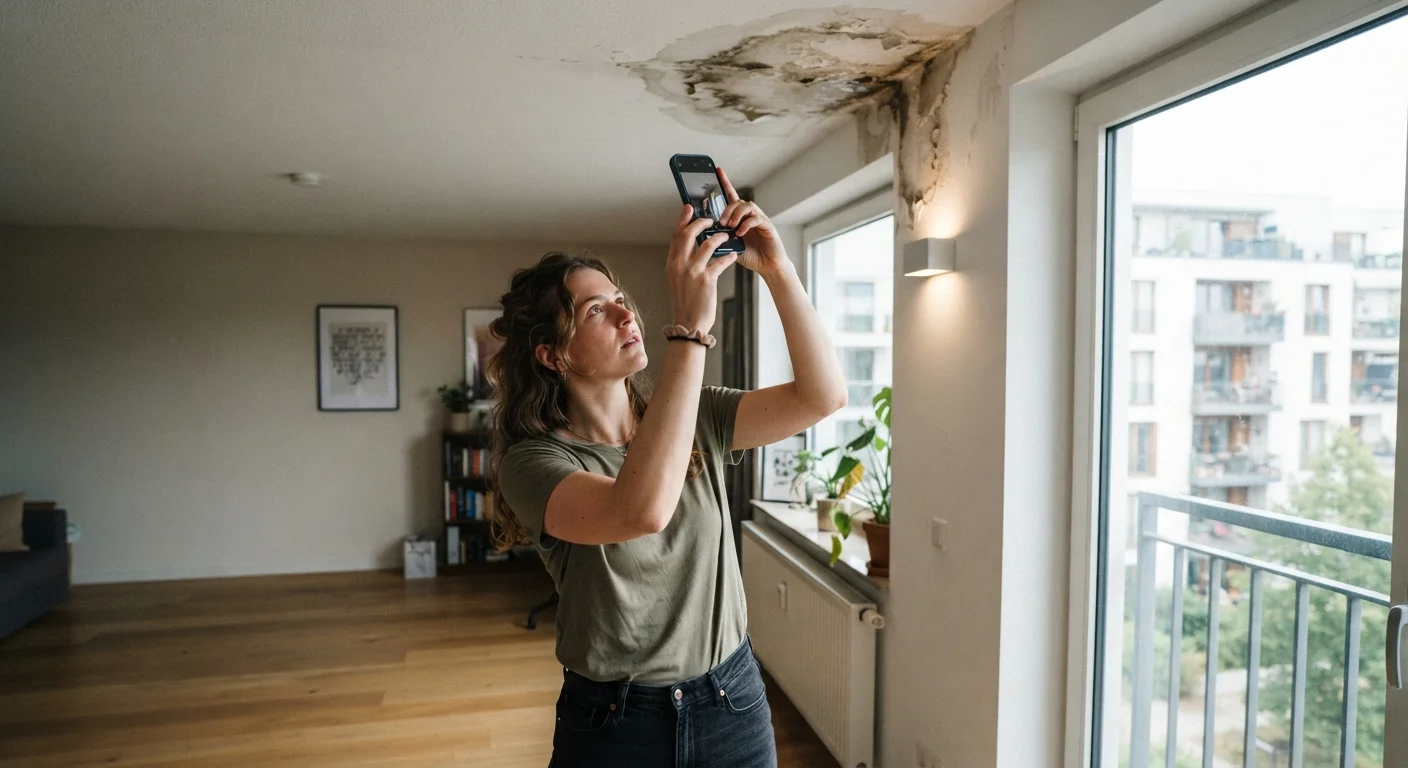
Start documenting the moment you notice a problem. Take timestamped photos or video, note the date you first observed the issue, and keep copies of every written communication with your landlord. If you report verbally first, follow up in writing the same day: "Per our conversation today, I'm writing to confirm I reported in the ."
Store your records somewhere you can access them easily — a dedicated email folder, a cloud drive, or even a folder of screenshots. If a dispute later arises over your security deposit, this paper trail is your strongest evidence.
Photograph the Unit Before and After Any Repair
Once a repair is completed, take photos of the fixed area immediately. This documents the landlord's work and establishes a new baseline — so if the problem recurs, you have a clear before-and-after record. This is especially useful for issues like water damage, where secondary problems like mold can appear weeks later.
When to Escalate — and How
Most landlords respond to reasonable written requests within a few days. But if yours doesn't, you have options.
For urgent safety hazards — no heat in winter, a gas smell, sewage backup, or a broken lock — most states require landlords to respond within 24 to 72 hours. If your landlord is unreachable or unresponsive, contact your local housing authority or building code enforcement office. Many cities have dedicated tenant complaint lines.
For non-urgent repairs that are being ignored, send a follow-up in writing, reference your original request date, and give a reasonable deadline. If the issue still isn't addressed, you may have legal remedies available — such as rent withholding or repair-and-deduct — but these options are governed by state law and carry risks. Consult a local tenant rights organization or legal aid office before taking either step.
Note that repairs you make yourself — without permission — can complicate things legally and financially. Our guide on when to DIY versus hire a professional can help you think through that line clearly.
The content provided on our blog site traverses numerous categories, offering readers valuable and practical information. Readers can use the editorial team’s research and data to gain more insights into their topics of interest. However, they are requested not to treat the articles as conclusive. The website team cannot be held responsible for differences in data or inaccuracies found across other platforms. Please also note that the site might also miss out on various schemes and offers available that the readers may find more beneficial than the ones we cover.