

Why a Drip Is Never Just a Drip
Most homeowners and renters encounter a slow leak at some point — a faint drip under the sink, a damp spot on the ceiling after heavy rain, or a subtle musty smell that appears when the weather turns. The instinct is often to monitor it, meaning to do nothing and see whether it gets worse. That instinct is costly.
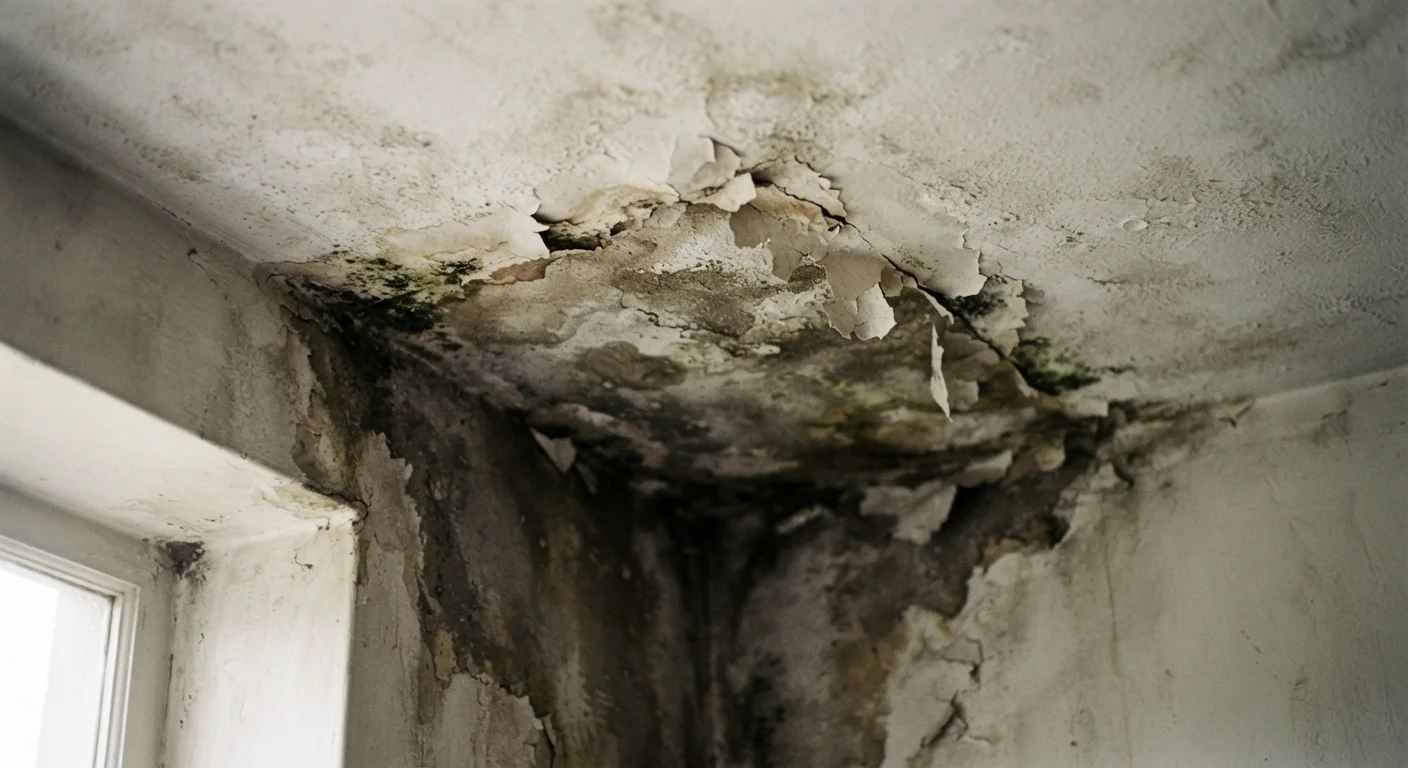
Water behaves differently from most hazards. It doesn't announce itself dramatically; it infiltrates slowly, working along the path of least resistance — between layers of drywall, through insulation batts, down wooden studs. By the time visible damage appears, moisture has typically been present for weeks or months. The stain you see is rarely the full extent of what water has already reached.
This is what makes water intrusion one of the most underestimated maintenance risks for new homeowners. Understanding how it progresses — and why it accelerates — is the first step toward catching it early. See our overview of commonly deferred maintenance tasks to understand why water issues top that list.
~14,000
US homes affected by water damage daily
Industry estimates from property restoration sources suggest roughly 14,000 Americans experience a water damage emergency each day, spanning plumbing failures, appliance leaks, and weather intrusion.
24–48 hrs
Time for mold to begin growing on wet surfaces
The EPA notes that mold can begin to develop on damp building materials within 24 to 48 hours under typical indoor temperature and humidity conditions.
Up to 10x
Cost multiplier for delayed water damage repairs
Property restoration professionals commonly note that water damage repair costs escalate dramatically when remediation is delayed, as moisture spreads to adjacent materials and mold remediation is added to structural repairs.
How Water Damages Building Materials Over Time
Modern homes are built primarily from materials that water degrades. Wood framing swells, softens, and eventually rots when persistently wet — losing the structural strength it was installed to provide. Drywall, which makes up most interior walls and ceilings, absorbs moisture readily; once saturated, it crumbles and becomes a substrate for mold growth. Even concrete and masonry, which seem impervious, are susceptible to repeated freeze-thaw cycles when water infiltrates cracks.
Insulation is another silent victim. Fiberglass batts lose most of their thermal effectiveness when wet and can harbor mold and bacteria. Spray foam insulation holds up better but can separate from framing when it shifts due to moisture-related swelling.
The cascade matters here: a roof leak saturates insulation, which transfers moisture to the ceiling drywall below, which wicks water to the wooden joists above it. Each material in that chain can fail, and the repair scope — and cost — grows with each one.
The Mold Factor: Why Speed Matters
Mold is the most well-known consequence of water intrusion, and for good reason. Mold spores are present in virtually every home environment. They require only a damp surface and organic material — drywall paper, wood, dust — to begin colonizing. Under typical indoor conditions, surface mold can begin establishing within 24 to 48 hours of sustained moisture exposure.
Once mold takes hold inside a wall cavity or beneath flooring, remediation becomes far more involved than simply drying the area. Affected materials often need to be physically removed, and depending on the extent of growth and the type of mold present, professional remediation may be necessary. This is a significant expense that a timely repair could have prevented.
Act on Odor Before You See Damage
If a room smells persistently musty — especially after rain or in winter when the house is sealed — treat it as a leak indicator rather than a ventilation issue. Run your hand along baseboards, check under sink cabinets, and inspect window frames for soft or discolored areas. Early detection almost always means a smaller, less expensive repair.
It's also worth noting that not all mold is immediately visible. A musty odor without any visible growth is a common sign of mold developing inside walls or under flooring — an area that won't dry on its own without intervention. Dismissing that smell is one of the more common and expensive misjudgments new homeowners make, as covered in our roundup of home maintenance myths.
Spotting and Responding to Early Warning Signs
The most effective defense against escalating water damage is recognizing early warning signs and treating them as urgent rather than optional. Key indicators include:
- Discolored patches on walls or ceilings — yellow, brown, or rust-toned rings that indicate water has been wicking through the material
- Bubbling or peeling paint, particularly on exterior-facing walls or ceilings below bathrooms
- Warped or buckled flooring, especially near plumbing fixtures or exterior doors
- Unexplained increases in your water bill, which can indicate a slow hidden pipe leak
- Persistent musty odor in specific rooms or closets
If you're dealing with a plumbing-related issue contributing to moisture — such as a slow or backing-up drain — addressing it promptly reduces the risk of overflow or sustained pipe stress. Our guide to clearing a slow drain safely walks through methods that won't compound the problem.
When you spot warning signs, document them with photos and dates. Renters should notify their landlord in writing immediately and keep copies. Homeowners should contact a plumber or licensed contractor for an assessment — don't wait for the problem to become undeniable.
When to Call a Professional
Any water damage affecting drywall, insulation, flooring, or structural framing should be assessed by a licensed contractor or water damage specialist. DIY drying with fans may appear to resolve the issue while leaving moisture trapped inside wall cavities. A moisture meter reading by a professional is a low-cost way to confirm whether materials are truly dry before closing up walls or replacing finishes.
This article is intended for general informational purposes. For water damage affecting structural elements, electrical systems, or suspected mold, consult a licensed contractor or remediation professional. Coverage questions should be directed to your insurer and a licensed insurance agent.
Frequently Asked Questions
It depends on the material affected and the volume of water, but wood framing can begin to soften and lose integrity within weeks of sustained exposure. Mold can establish itself in 24–48 hours on wet drywall or wood. The longer a leak goes unaddressed, the more expensive the repair.
No. A stain indicates that water has already penetrated and saturated the material above it. Even if the active leak has stopped, trapped moisture may still be deteriorating insulation, framing, or drywall. A professional assessment is worth the cost before dismissing it.
Common early indicators include discolored patches on ceilings or walls, a musty odor that doesn't go away, bubbling or peeling paint, warped baseboards, and unexplained spikes in your water bill. Any of these warrants a closer look.
In most US states, landlords are legally responsible for maintaining the structure and addressing leaks that affect habitability. Renters should report leaks in writing as soon as they're noticed and keep a copy for their records. Review your lease and local tenant laws for specifics.
Coverage depends on the cause and your specific policy. Sudden, accidental water damage (like a burst pipe) is often covered, while gradual leaks or maintenance neglect are frequently excluded. Review your policy documents and consult your insurer — this article is general information, not insurance advice.
The content provided on our blog site traverses numerous categories, offering readers valuable and practical information. Readers can use the editorial team’s research and data to gain more insights into their topics of interest. However, they are requested not to treat the articles as conclusive. The website team cannot be held responsible for differences in data or inaccuracies found across other platforms. Please also note that the site might also miss out on various schemes and offers available that the readers may find more beneficial than the ones we cover.