

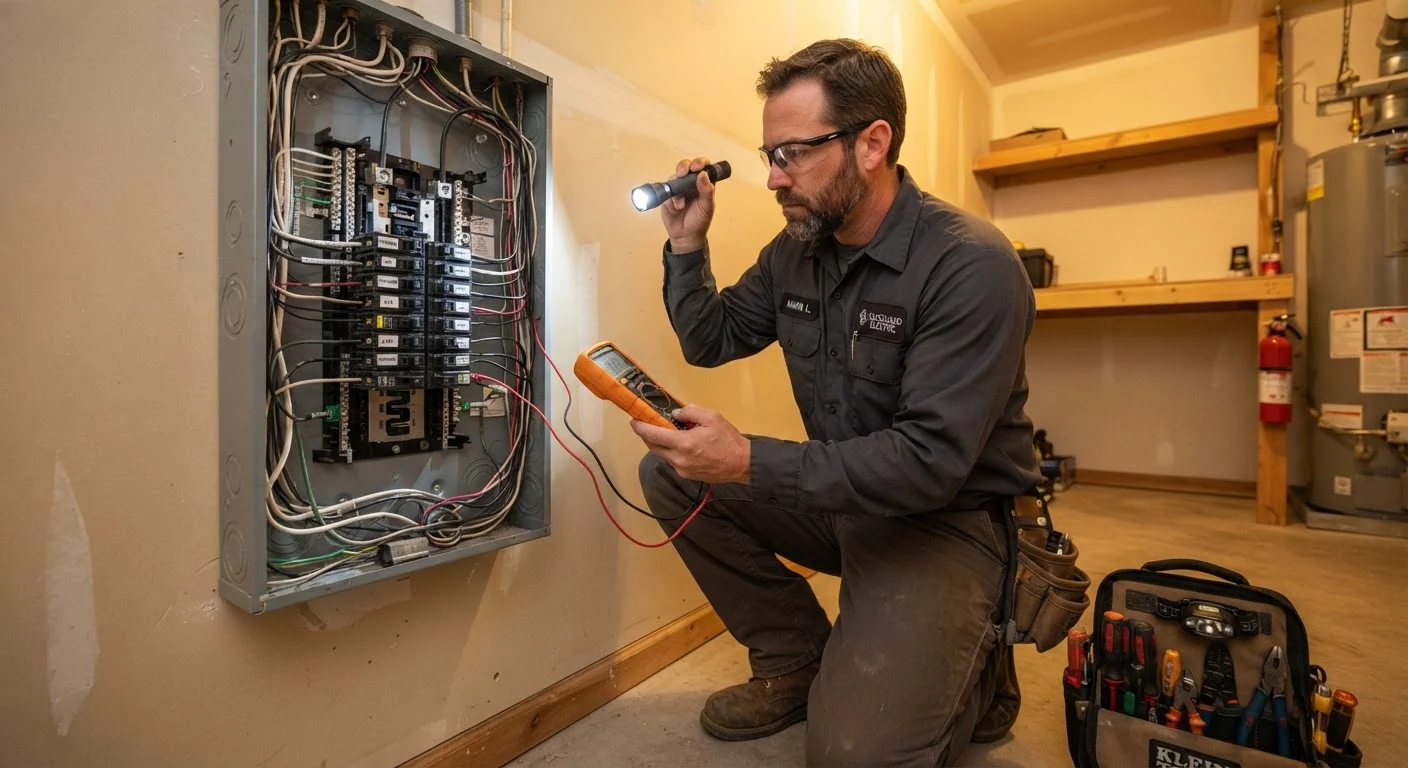
When Electrical Quirks Are More Than Minor Annoyances
Most of us have experienced a light that flickers or a breaker that trips after running too many appliances at once. These moments are easy to brush off — but some electrical symptoms are your home's way of flagging a genuine safety issue. According to the U.S. Fire Administration, electrical fires account for thousands of residential fires each year, many of which trace back to ignored warning signs.
For new homeowners and renters alike, knowing which symptoms demand professional attention — and which can wait — is a foundational home safety skill. If you're viewing a potential rental or new home, our apartment walkthrough checklist can help you spot electrical red flags before you sign. For those already settled in, the warning indicators below should never be dismissed.
Important: Electrical work in the home is regulated in every U.S. state. Permit requirements, inspections, and licensing rules exist for good reason. None of the symptoms below are suitable for DIY repair — they all warrant a call to a licensed electrician.
Frequent or unexplained breaker trips
A circuit breaker is designed to trip when a circuit is overloaded — that's its job. But if a breaker trips regularly without an obvious cause like running multiple high-draw appliances, it may indicate that a circuit is undersized for the load placed on it, or that there is a wiring fault. Repeatedly resetting a breaker without understanding why it trips is masking a problem, not solving one. A licensed electrician can evaluate whether the panel needs an upgrade or whether a circuit requires rewiring.
Repeatedly resetting a tripping breaker without diagnosis masks a potentially serious underlying fault.
Flickering or dimming lights
Occasional dimming when a large appliance — like a refrigerator or air conditioner — kicks on can be normal. Persistent flickering, dimming that occurs without any obvious trigger, or flickering that spreads across multiple rooms is a different matter. These patterns can indicate loose wiring connections, overloaded circuits, or problems with the main service connection to your home. Loose connections in particular can cause electrical arcing, which is a leading cause of home fires.
Flickering lights across multiple rooms can signal loose wiring or arcing — a leading cause of electrical fires.
Burning smell or discoloration around outlets and switches
A burning odor — often described as smelling like plastic or rubber — coming from an outlet, switch plate, or your electrical panel is a serious warning sign. Scorch marks, blackening, or melted plastic around an outlet face are physical evidence that heat has built up in the wiring behind the wall. Stop using the outlet or switch immediately and have it inspected. Do not assume the smell will go away on its own.
Scorch marks or a burning smell near outlets are physical evidence of heat buildup that demands immediate attention.
Outlets or switches that feel warm or spark
Outlets and light switches should not feel warm to the touch under normal conditions. Warmth indicates that electricity is generating heat in the connection — which it should not be doing — and points to a wiring problem, an overloaded circuit, or a failing device. Small sparks when plugging something in are occasionally normal, but large sparks, sparks that persist, or sparks accompanied by a popping noise are not. Both scenarios warrant professional evaluation.
Warm outlets and persistent sparking are not quirks to work around — they signal wiring problems that need inspection.
Outdated wiring types in older homes
Homes built before the 1970s may contain wiring types that are no longer up to modern safety standards. Aluminum branch-circuit wiring (common in homes built between roughly 1965 and 1973) and knob-and-tube wiring (found in homes built before the 1940s) carry known risks when they are aging, improperly modified, or covered by insulation. If you're moving into or purchasing an older home and don't know what type of wiring it contains, a licensed electrician can conduct an inspection. Many home inspectors will flag these concerns, but an electrician's assessment provides greater depth.
Older wiring types like aluminum branch circuits or knob-and-tube carry known risks that a licensed electrician should assess.
Absence of GFCI outlets in wet areas
Ground fault circuit interrupter (GFCI) outlets — the ones with the small "Test" and "Reset" buttons on the face — are required by current electrical codes in bathrooms, kitchens, garages, outdoor locations, and anywhere near water. They cut power within milliseconds if they detect an electrical fault, significantly reducing electrocution risk. If your home's wet areas lack GFCI outlets, or if the existing ones don't respond correctly when tested, an electrician should update them. This is especially relevant in older homes where the original outlets predate modern code requirements.
GFCI outlets in wet areas are a code requirement, not an upgrade — absent or non-functional ones should be replaced promptly.
What to Do After Spotting a Warning Sign
If you identify any of the indicators listed here, the first step is straightforward: stop using the affected outlet, switch, or circuit if it's safe to do so, and contact a licensed electrician promptly. Don't delay because the symptom comes and goes — intermittent electrical problems are often more dangerous than consistent ones, since they can indicate a loose or arcing connection that may not be visible.
Make Electrical Safety Part of Seasonal Maintenance
Include a visual check of your outlets, switches, and electrical panel as part of a regular home maintenance routine. Look for discoloration, test GFCI outlets using the built-in button, and note any new flickering or unusual smells. Our quarterly home maintenance guide outlines when to build these checks into your schedule.
Renters have a legal right to a safe living environment in all U.S. states. If you notice electrical issues, document them in writing — photos, dates, and a written message to your landlord — and request professional repair. If a landlord is unresponsive, contact your local housing authority.
Electrical repairs can be costly, which is one reason many homeowners put them off. That deferral often backfires. Our guide to maintenance tasks new homeowners delay explains why addressing issues early consistently costs less than waiting. Building an emergency fund — see our overview of saving and emergency funds — can ease the financial pressure of unexpected repairs. And when you're weighing whether any home repair is a DIY project or professional job, our guide on DIY vs. hiring a professional makes the distinction clear: electrical work almost always falls on the professional side of that line.
This article is for general informational purposes only and does not constitute professional electrical, safety, or legal advice. Always consult a licensed electrician for issues with your home's electrical system, and verify local permit and code requirements before any electrical work is performed.
The content provided on our blog site traverses numerous categories, offering readers valuable and practical information. Readers can use the editorial team’s research and data to gain more insights into their topics of interest. However, they are requested not to treat the articles as conclusive. The website team cannot be held responsible for differences in data or inaccuracies found across other platforms. Please also note that the site might also miss out on various schemes and offers available that the readers may find more beneficial than the ones we cover.