

Why Domestic Trips Go Over Budget More Often Than You'd Think
Domestic travel carries a false sense of financial security. No currency exchange, no international fees, no passport anxiety — it feels like the easy, affordable option. And it often is. But that comfort can make travelers less careful about the specific cost categories where American trips quietly bleed money.
The culprits aren't exotic or obscure. They're entry fees, lodging add-ons, fuel price gaps, and food markups that are easy to miss when you're focused on the excitement of planning. A realistic travel budget covers every category, not just flights and hotels — and domestic trips are no exception.
$35
Standard per-vehicle national park entrance fee
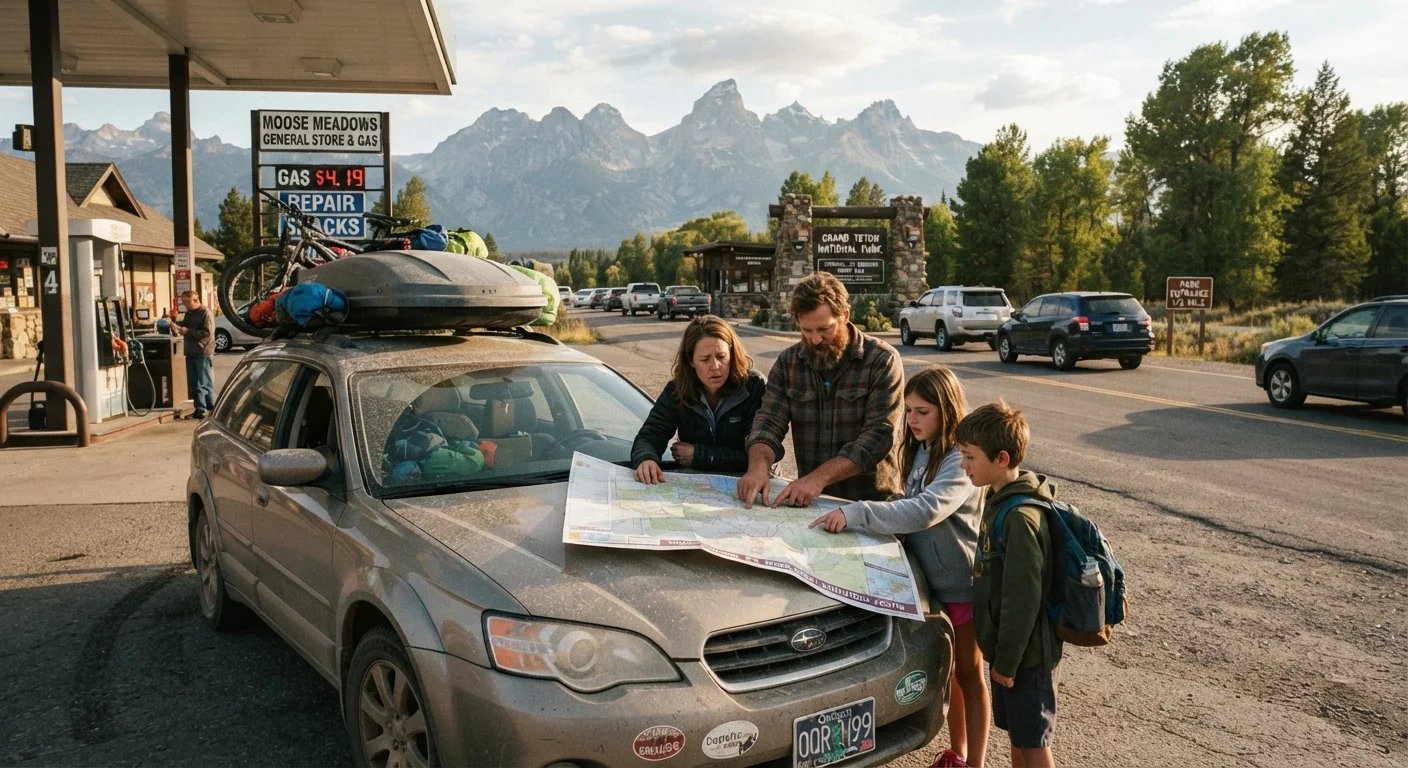
Many of the most visited US national parks charge up to $35 per vehicle, according to the National Park Service fee schedules.
$25–$50
Typical nightly hotel resort fee
Mandatory resort and destination fees at US hotels commonly range from $25 to $50 per night on top of the advertised room rate, per hospitality industry reporting.
~20%
Average food cost premium near tourist areas
Restaurants and convenience retailers in high-traffic tourist zones typically charge 20–40% more than comparable options away from the attractions, based on general consumer pricing patterns.
Understanding where the gaps typically appear is the first step to plugging them before your trip, not during it.
The Mistakes That Drain Domestic Travel Budgets
These are the most common points where well-intentioned domestic trip budgets unravel. Each one is avoidable with a bit of advance research.
Ignoring national park and recreation area entrance fees when planning the trip budget.
Why it happens: Many travelers assume that public lands are free or that fees are nominal. The scale of costs — especially for popular parks charging per vehicle — catches people off guard.
Booking a hotel based on the nightly rate without accounting for resort fees, destination fees, or parking charges.
Why it happens: Online booking displays often show only the base room rate in search results. Mandatory fees appear later in the checkout flow, leading travelers to underestimate total lodging costs.
Underestimating fuel costs for a road trip by using a single average gas price figure.
Why it happens: Travelers often calculate fuel costs using national average prices, but prices can vary by $0.50–$1.00 or more per gallon between states and regions.
Failing to budget for food inflation near tourist districts, theme parks, and resort areas.
Why it happens: Travelers estimate food costs based on what they normally spend at home, not realizing that restaurants and convenience stores near major attractions routinely charge a steep premium.
Overlooking activity and experience costs beyond the main attraction.
Why it happens: Travelers budget for the centerpiece experience — a concert, a theme park, a scenic tour — but forget surrounding costs like equipment rentals, guided tours, tips, and souvenir purchases that accumulate quickly.
Not accounting for the cost difference between peak and shoulder season at popular US destinations.
Why it happens: Many travelers plan around school holidays or major events without realizing that hotel rates, campsite availability, and attraction wait times spike dramatically during those windows.
Your Budget Isn't Finished Until Fees Are In
The listed price for a hotel room, campsite, or attraction entrance almost never represents the total cost. Resort fees, parking, and booking surcharges are added at checkout or check-in — often after you've already committed. Always search for the full cost breakdown before considering a booking final. A room that looks affordable can cost 30–40% more once mandatory fees are added.
For a comprehensive pre-departure review, the pre-trip budget planning checklist walks through every cost category before you commit to a booking.
Building a Buffer That Actually Protects Your Budget
Even after accounting for known costs, unexpected expenses happen. A flat tire, a weather delay that adds a hotel night, or an irresistible detour — these are part of travel. The solution isn't to avoid spontaneity; it's to build room for it.
A practical approach: once you've totaled your estimated trip costs, add 15–20% as an unallocated buffer. This isn't a slush fund for overspending — it's insurance against the categories you couldn't predict. If you don't use it, it rolls back into savings.
Travelers who explore high-value, lower-cost destinations often find that a realistic budget is easier to build because the baseline costs are lower to begin with — leaving more buffer room without cutting experiences. And if you're weighing whether to drive or fly, the real cost comparison of road trips versus flights can sharpen that part of your plan considerably.
The goal isn't to squeeze every dollar — it's to make sure the dollars you spend go where you actually want them to go. For broader strategies, the budget travel tips hub is a strong starting point.
The content provided on our blog site traverses numerous categories, offering readers valuable and practical information. Readers can use the editorial team’s research and data to gain more insights into their topics of interest. However, they are requested not to treat the articles as conclusive. The website team cannot be held responsible for differences in data or inaccuracies found across other platforms. Please also note that the site might also miss out on various schemes and offers available that the readers may find more beneficial than the ones we cover.