

Why Some Destinations Simply Go Further
Stretching a travel budget isn't just about hunting deals — it's about choosing destinations where everyday costs are structurally lower than at home. In parts of Southeast Asia, Central America, and Eastern Europe, a combination of favorable exchange rates, lower labor costs, and a thriving backpacker infrastructure means that a modest daily budget can cover comfortable accommodation, fresh meals, and meaningful experiences. That's not a fluke; it reflects real economic differences between regions.
For young American travelers, this matters enormously. The question isn't whether you can afford to travel — it's whether you're looking in the right places. As our guide on planning around a budget explains, destination choice is the single biggest lever in travel cost control. The regions below have earned their reputations for value through consistently low costs, strong tourism infrastructure, and experiences that feel anything but budget.
Use the 'Big Mac Index' as a quick gut-check
Economists use purchasing power comparisons to gauge relative costs between countries. A practical shortcut: look up what a basic local meal or a coffee costs in your target destination compared to what you'd pay at home. If the gap is significant, your dollar will likely go further there across the board — accommodation, transit, and activities included.
Destinations Worth Putting on Your Radar
Vietnam
Vietnam is frequently cited by long-term travelers as one of the world's most affordable countries for quality experiences. A guesthouse or budget hotel room in cities like Hanoi or Hội An can run under $20 per night, while a bowl of phở from a street vendor typically costs less than $2. Public transportation between major cities — including sleeper trains along the coast — is inexpensive and practical.
Beyond the budget math, Vietnam offers enormous variety: ancient temples, dramatic karst landscapes, UNESCO-listed towns, and a culinary tradition that genuinely rewards eating like a local. Travel costs do vary by region and season, so some flexibility in timing can make a noticeable difference.
A full day of sightseeing, meals, and lodging in Vietnam can comfortably cost under $40.
Guatemala
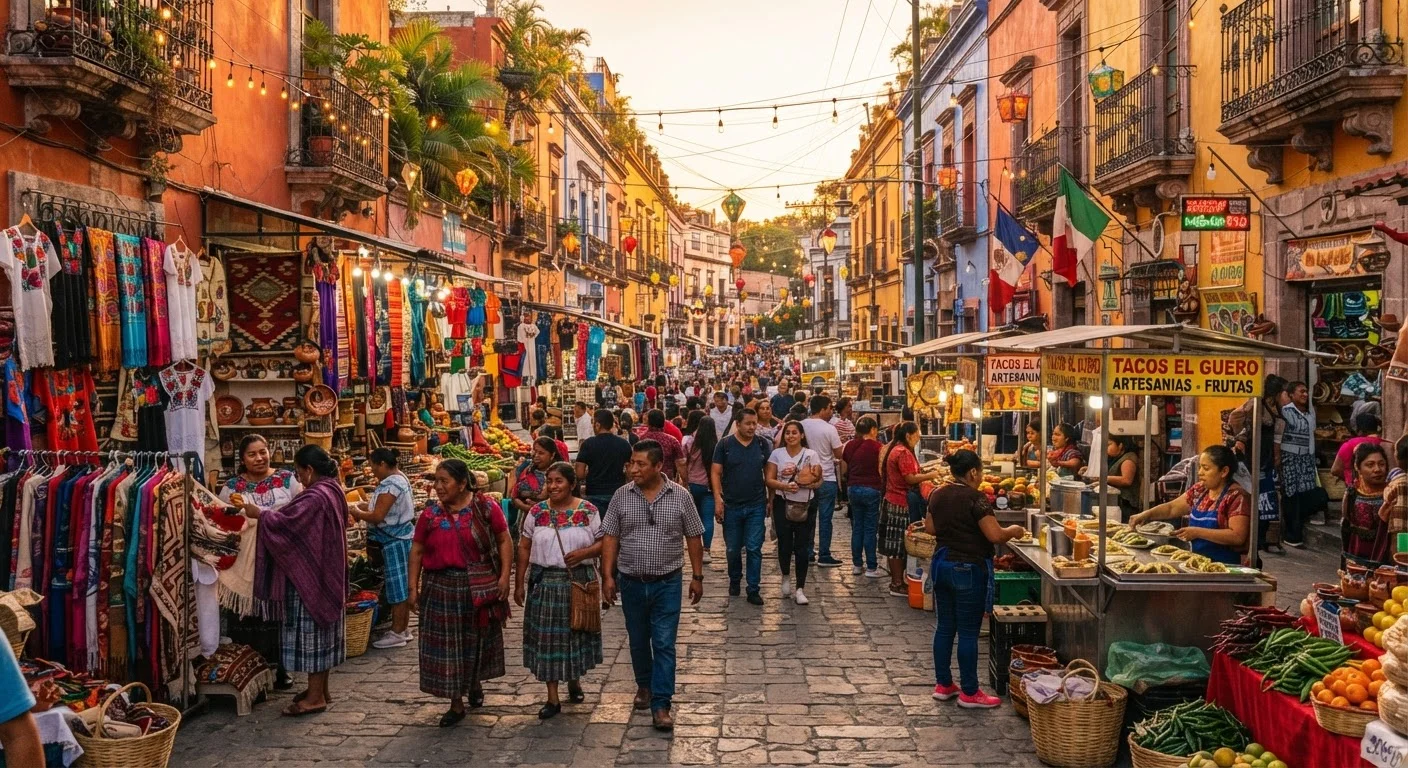
Guatemala punches well above its weight for cultural richness relative to cost. The colonial city of Antigua offers cobblestone streets and volcano views alongside affordable accommodation and food. Lake Atitlán — ringed by indigenous Maya villages — is one of Central America's most visually striking destinations, and hostel stays around the lake remain genuinely budget-friendly.
The country's Mayan heritage, active volcanoes, and cloud forest hiking make it a strong value proposition for travelers who prioritize culture and nature over resort amenities. Spanish-language school costs here are also notably low, making Guatemala a practical destination for longer stays involving language study.
Guatemala blends Mayan culture, active volcanoes, and colonial towns at a fraction of Caribbean resort prices.
Portugal
Among Western European destinations, Portugal stands out as comparatively affordable — particularly in cities like Porto and smaller inland towns where visitor numbers are lower than Lisbon. Accommodation, meals, and local transit tend to cost less than in France, Spain, or Italy, while the food and wine quality remains exceptional. Pastel de nata, grilled fish, and local wine by the glass at a neighborhood tasca represent some of the best-value eating in Europe.
Portugal also benefits from a well-developed tourism infrastructure, reliable public transit, and a strong safety record — factors that matter for first-time international travelers. Seasonal travel to shoulder months (spring and autumn) typically lowers accommodation costs further.
Portugal delivers excellent European food, architecture, and coastline at a noticeably lower daily cost than its neighbors.
Colombia
Colombia has seen substantial growth in tourism over the past decade, with cities like Medellín and Cartagena drawing international visitors for their architecture, nightlife, and natural surroundings. Daily costs remain low relative to the US, particularly for accommodation outside of Cartagena's tourist center and for meals eaten at local fondas (informal lunch restaurants) rather than tourist-facing establishments.
The country's geographical diversity — Andean cities, Caribbean coastline, coffee region, and Amazon access — means that a single trip can incorporate very different experiences. As with any international destination, travelers should review current safety advisories from official sources and exercise standard urban travel precautions.
Colombia's mix of Andean cities, Caribbean coast, and coffee country offers remarkable diversity on a modest daily budget.
Hungary and the Czech Republic
Eastern Central Europe — particularly Budapest and Prague — offers a compelling combination of world-class architecture, rich history, and daily costs that run meaningfully lower than Western European capitals. Both cities have extensive public transit networks, which eliminates the need for taxis or rental cars. Market halls, affordable café culture, and thermal baths (in Budapest's case) provide immersive local experiences that cost very little.
These destinations work especially well for first-time international travelers: English is widely spoken in tourist areas, infrastructure is reliable, and both countries are members of the European Union with stable regulatory environments. Visiting in shoulder season — spring or autumn — tends to lower accommodation prices while keeping the weather pleasant for walking.
Budapest and Prague offer grand European atmosphere at daily costs that would surprise most first-time visitors.
Indonesia (Bali and Beyond)
Bali is one of the most-visited budget-friendly destinations in the world, and for good reason: accommodation ranges from sub-$15 guesthouses to mid-range villas at prices far below Western equivalents, and local warungs (small family restaurants) serve fresh, flavorful meals for a few dollars. Beyond Bali, the Indonesian archipelago includes destinations like Lombok, the Gili Islands, and Flores that see fewer American visitors and offer similarly low costs.
Travelers should factor in the distance from the US — flights are long and can represent a significant share of total trip cost — so Indonesia tends to reward longer stays. A slow travel mindset, staying one to two weeks in fewer places rather than island-hopping aggressively, helps offset the flight investment.
In Bali, a comfortable guesthouse, three local meals, and a scooter rental can realistically total under $50 per day.
Verify Entry Requirements Before You Book
Visa rules, vaccination requirements, and entry conditions change without much notice. What was visa-free last year may require advance applications now. Always check the U.S. Department of State's travel website and the destination country's official immigration portal before finalizing any international travel plans. Travel insurance that covers medical evacuation and trip interruption is worth understanding before any international trip.
Making the Most of Where You Land
Choosing a low-cost destination is only the starting point. How you travel within that region dramatically affects what you spend. Leaning into local food culture — markets, street stalls, neighborhood restaurants away from tourist centers — is one of the fastest ways to cut daily costs without sacrificing quality. Our piece on eating well abroad without spending like a tourist breaks down exactly how to do this confidently.
Combining a value destination with a slow travel approach multiplies the benefit further — weekly accommodation rates are almost always cheaper than nightly rates, and settling into one place lets you shop at local grocery stores, build routines, and avoid expensive tourist-zone markups. The world's most affordable destinations reward patience and curiosity in equal measure.
This article provides general travel information for educational purposes only. Prices, visa rules, safety conditions, and entry requirements change frequently. Always verify current requirements with official government sources, your country's foreign affairs department, and local health authorities before making any travel decisions.
The content provided on our blog site traverses numerous categories, offering readers valuable and practical information. Readers can use the editorial team’s research and data to gain more insights into their topics of interest. However, they are requested not to treat the articles as conclusive. The website team cannot be held responsible for differences in data or inaccuracies found across other platforms. Please also note that the site might also miss out on various schemes and offers available that the readers may find more beneficial than the ones we cover.