

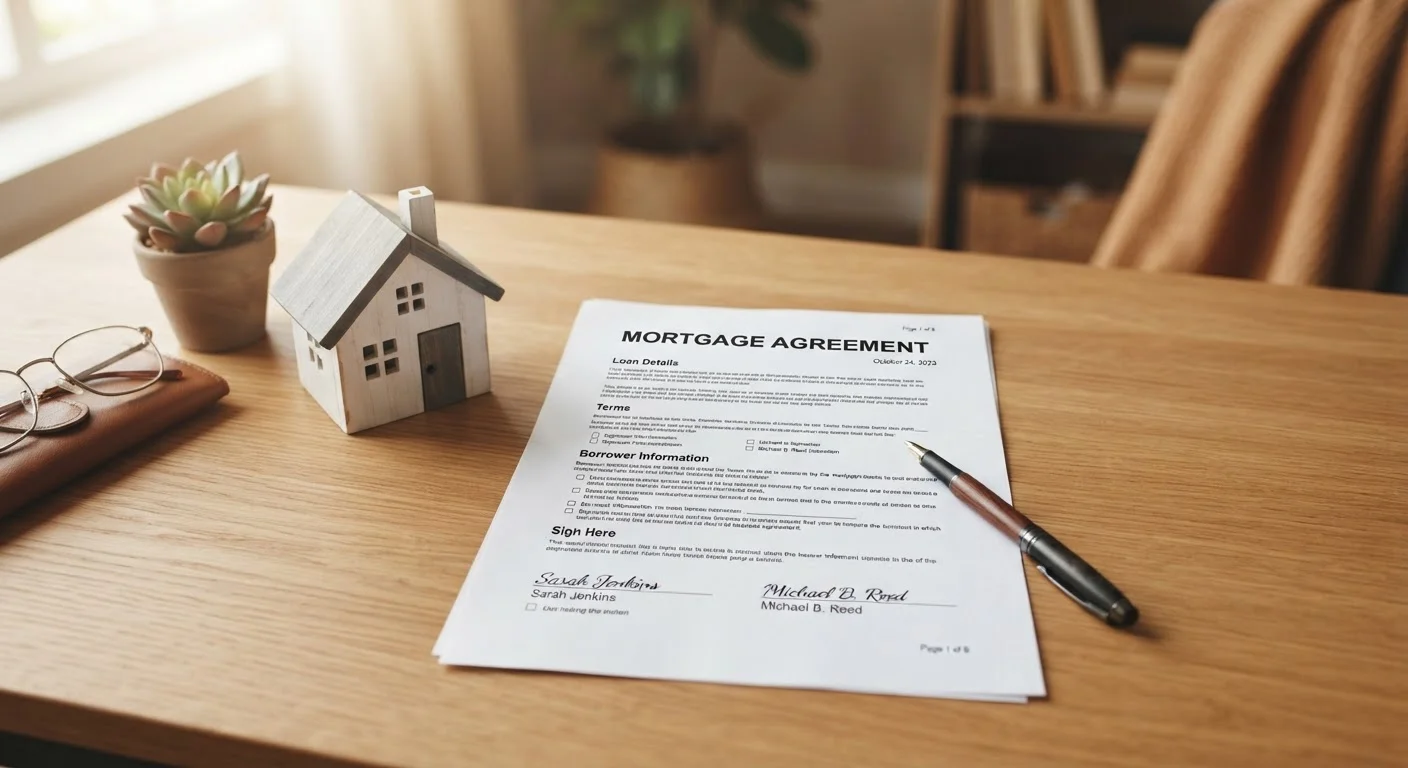
Pre-Qualification: Your Starting Point
Pre-qualification is typically the first formal step in the mortgage process, but it carries the least weight. At this stage, a lender asks you to share basic financial details — your income, debts, assets, and estimated credit score — usually through a short online form or a brief phone conversation. No documents are verified, and no hard credit check is run.
The result is a rough estimate of how much you might be able to borrow. Think of it as a ballpark figure, not a promise. It can be useful for orienting yourself before you begin house-hunting — helping you understand whether your finances are in the right range before you dig deeper.
Before you even get to this stage, it's worth reviewing your financial readiness. See our financial readiness checklist for a clear picture of what lenders will eventually want to see.
Get Pre-Qualified Before You Browse
Even if you're just starting to explore the market, completing a pre-qualification early gives you a realistic budget range. It also surfaces any obvious financial issues — like a higher debt-to-income ratio than expected — before you're emotionally invested in a property.
Pre-Approval: The Document That Opens Doors
Pre-approval is a meaningfully different step. Here, the lender reviews actual financial documents — pay stubs, W-2s, bank statements, tax returns — and runs a hard credit inquiry. Based on that verified picture, they issue a pre-approval letter stating the loan amount you're conditionally approved to borrow.
This letter matters in a competitive market. Sellers take pre-approved buyers more seriously because the lender has already done real homework. Many listing agents won't even schedule a showing without one.
74%
Buyers who got pre-approved before house-hunting
According to the National Association of Realtors' Profile of Home Buyers and Sellers, a strong majority of recent buyers secured pre-approval before making offers.
3 days
Minimum notice before closing for Closing Disclosure
Under the TRID rule (TILA-RESPA Integrated Disclosure), lenders are federally required to provide the Closing Disclosure at least three business days before closing.
It's important to understand that pre-approval is still conditional. The lender hasn't yet evaluated the specific property you want to buy, and your financial situation must stay stable between now and closing. For a fuller picture of the terms you'll eventually commit to, our guide on the Closing Disclosure explains what those final numbers will look like.
If any of the terms — like LTV, PMI, or escrow — feel unfamiliar, the homebuyer glossary is a concise reference worth bookmarking.
Clear to Close: The Finish Line
'Clear to close' (CTC) is the lender's formal confirmation that underwriting is complete and the loan is approved — not just for you, but for the specific property you're purchasing. By this point, the underwriter has reviewed every document, the home has been appraised, title has been searched, and any outstanding conditions have been resolved.
When you receive a CTC notice, closing can typically be scheduled within a few days. You'll receive a Closing Disclosure at least three business days before the closing date — a federally required document that details your final loan terms, monthly payment, and closing costs. Understanding what's on that form can prevent last-minute surprises.
Be aware that this is not the moment to make large financial changes. Opening new credit accounts, making large purchases, or switching jobs between CTC and closing can jeopardize your loan. Stay financially steady.
To understand the full arc from offer to keys, our end-to-end homebuying walkthrough covers every stage in plain language. And once you know a CTC is imminent, reviewing what closing costs actually cover will help you arrive prepared.
CTC Doesn't Mean You're Done Quite Yet
Clear to close begins a brief but important final window. You'll do a final walkthrough of the property, review the Closing Disclosure carefully, and arrange to transfer your closing funds — often via wire transfer or cashier's check. Confirm the exact amount and wire instructions directly with your escrow or title company to avoid fraud.
This article is for general informational purposes only and does not constitute financial or legal advice. Mortgage terms, requirements, and processes vary by lender and loan type. Consult a licensed mortgage professional for guidance specific to your situation.
Frequently Asked Questions
Generally, no. Pre-qualification usually involves a soft credit inquiry, which doesn't impact your score. Pre-approval, however, requires a hard inquiry, which may temporarily lower your score by a few points.
Most pre-approval letters are valid for 60 to 90 days. After that, you'll typically need to update your financial documents and get a new letter if you haven't found a home yet.
In rare cases, yes. Major financial changes between CTC and closing — like taking on new debt, losing your job, or large unexplained deposits — can cause a lender to re-evaluate. Avoid big financial moves until after closing.
No. Pre-approval means a lender believes you qualify based on reviewed documents, but it's conditional. Full approval only happens after underwriting verifies everything, including the property itself.
In most competitive markets, yes. Sellers and their agents often won't consider offers without a pre-approval letter. Some sellers may even prefer buyers who are further along in the process.
The content provided on our blog site traverses numerous categories, offering readers valuable and practical information. Readers can use the editorial team’s research and data to gain more insights into their topics of interest. However, they are requested not to treat the articles as conclusive. The website team cannot be held responsible for differences in data or inaccuracies found across other platforms. Please also note that the site might also miss out on various schemes and offers available that the readers may find more beneficial than the ones we cover.