

Our Verdict
Neither lifestyle is universally right for every cat. Indoor living generally offers a longer, safer life, but it comes with a responsibility to provide stimulation and space. Outdoor access adds natural enrichment but meaningfully increases health and safety risks. The best choice depends on your cat's background, your environment, and your commitment to meeting their needs wherever they live.
Indoor-only living suits most cats, especially kittens, rescued strays transitioning to home life, and anyone in an urban or high-traffic area; supervised outdoor access may suit confident, previously outdoor cats in lower-risk settings.
Why This Decision Matters More Than You Might Think
The question of whether to keep a cat indoors or allow outdoor access is one of the most consequential decisions a cat owner makes — and one that's often settled by habit rather than information. The evidence, however, tells a clear and somewhat sobering story about what life expectancy and disease risk look like across both lifestyles.
If you're deciding for the first time or reconsidering your current setup, it's worth understanding the real trade-offs. This is general information to help you think it through; your veterinarian is the best resource for guidance tailored to your specific cat. For a broader view of cat ownership decisions, see our complete pet care overview.
What About Cats Who Were Already Outdoor?
If you've adopted a cat with a long history of outdoor life, transitioning them to full indoor living can be stressful for the animal and requires patience. Gradual transitions, environmental enrichment, and input from your vet or a feline behaviorist can help. For some cats, a managed outdoor option like a catio may be the most realistic path to a good quality of life.
The Case for Keeping Cats Indoors
Indoor cats are shielded from many of the most common causes of feline injury and early death. That protection translates into a measurable difference in lifespan — studies and veterinary organizations consistently cite indoor cats living roughly two to three times longer than their outdoor counterparts on average.
Significantly longer average lifespan
Indoor cats commonly live 12–18 years on average, compared to estimates of 2–5 years for free-roaming outdoor cats, according to veterinary and animal welfare organizations.
Lower exposure to infectious disease
Diseases like FeLV, FIV, and upper respiratory infections spread through contact with other cats — contact that indoor cats largely avoid.
Reduced parasite burden
Indoor cats face far less exposure to fleas, ticks, intestinal worms, and heartworm, which can reduce both ongoing prevention costs and treatment needs.
Protected from traffic and predator injuries
Vehicle strikes and attacks from dogs or wildlife are among the leading causes of traumatic injury and death in outdoor cats — risks that disappear inside the home.
Easier to monitor health changes
When a cat stays home, owners are more likely to notice early signs of illness like changes in appetite, litter box habits, or energy levels.
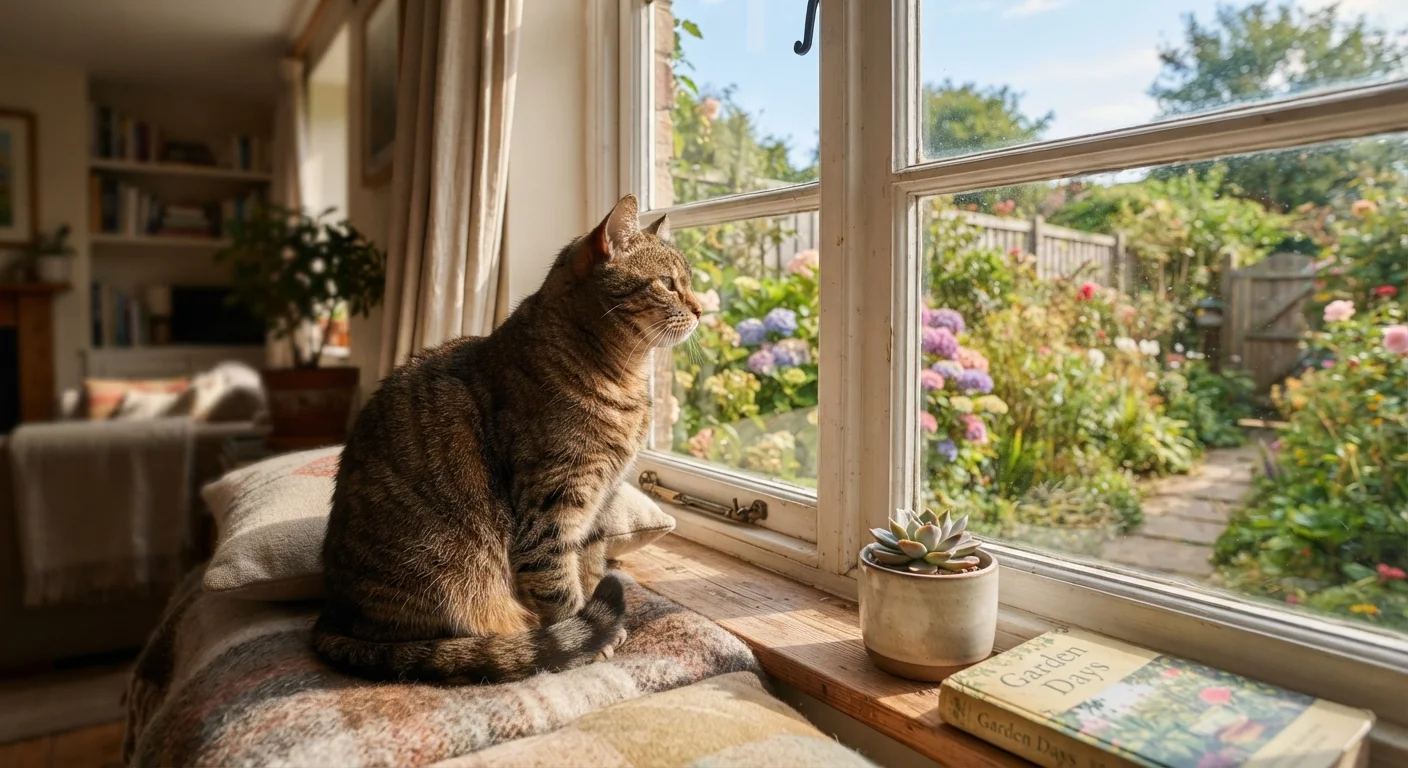
That said, indoor living isn't automatically healthy living. A cat confined to a small apartment without climbing structures, play opportunities, or mental stimulation can develop obesity, anxiety, and behavioral problems. Enrichment — think puzzle feeders, window perches, and regular interactive play — isn't optional for indoor cats; it's essential care.
The Risks Outdoor Cats Actually Face
Outdoor access introduces a layered set of hazards that are easy to underestimate. Traffic is the most visible risk, but disease transmission, parasite exposure, predators (including dogs and wildlife in suburban areas), and ingestion of toxins like rodenticides or antifreeze are all documented causes of injury and death in free-roaming cats.
Higher injury and fatality risk from traffic
Free-roaming cats in residential and suburban areas are frequently struck by vehicles; this is one of the most common causes of sudden death in outdoor cats.
Greater exposure to contagious cat diseases
FeLV and FIV are transmitted through bites and close contact with infected cats — interactions that happen regularly when cats roam and encounter strays.
Parasite infestations more likely
Outdoor environments are dense with fleas, ticks, and intestinal parasites, requiring consistent, year-round prevention treatment and regular fecal testing.
Risk of ingesting environmental toxins
Rodenticides, antifreeze, toxic plants, and pesticide-treated lawns are common outdoor hazards that are difficult to control or predict.
Harder to detect illness early
Cats that spend time outdoors may hide injuries or illness for longer before owners notice, potentially delaying necessary veterinary care.
Outdoor cats also carry a heavier veterinary load. They require more frequent parasite prevention, are more likely to need treatment for wounds, abscesses, and infections, and face higher exposure to contagious diseases like feline leukemia virus (FeLV) and feline immunodeficiency virus (FIV). Our plain-language vaccine reference outlines which vaccines are especially important for cats with outdoor exposure.
2–5 yrs
Average lifespan of free-roaming outdoor cats
Animal welfare organizations and veterinary sources frequently cite this range versus 12–18 years for indoor-only cats, though individual variation exists.
~60%
Of cats infected with FIV are outdoor or stray cats
FIV spreads primarily through bite wounds during territorial fights — a risk that is sharply reduced for cats kept indoors.
Middle-Ground Options Worth Considering
Many cat owners find a workable compromise between full indoor confinement and unsupervised outdoor roaming. Supervised outdoor time — on a harness and leash, in a securely enclosed "catio," or in a fenced yard — can provide meaningful enrichment without the highest-risk exposures.
These options aren't always practical, and they do require time and investment to set up safely. But for a cat who was previously outdoor and is struggling with confinement, they can meaningfully improve quality of life. The right choice ultimately depends on your specific environment, your cat's temperament, and what you can consistently provide. Given that vet costs can vary considerably depending on your cat's lifestyle, it's also worth reading about how to plan for pet healthcare costs.
This article is for general informational purposes only and does not constitute veterinary advice. Always consult a licensed veterinarian for guidance specific to your cat's health and circumstances.
The content provided on our blog site traverses numerous categories, offering readers valuable and practical information. Readers can use the editorial team’s research and data to gain more insights into their topics of interest. However, they are requested not to treat the articles as conclusive. The website team cannot be held responsible for differences in data or inaccuracies found across other platforms. Please also note that the site might also miss out on various schemes and offers available that the readers may find more beneficial than the ones we cover.