

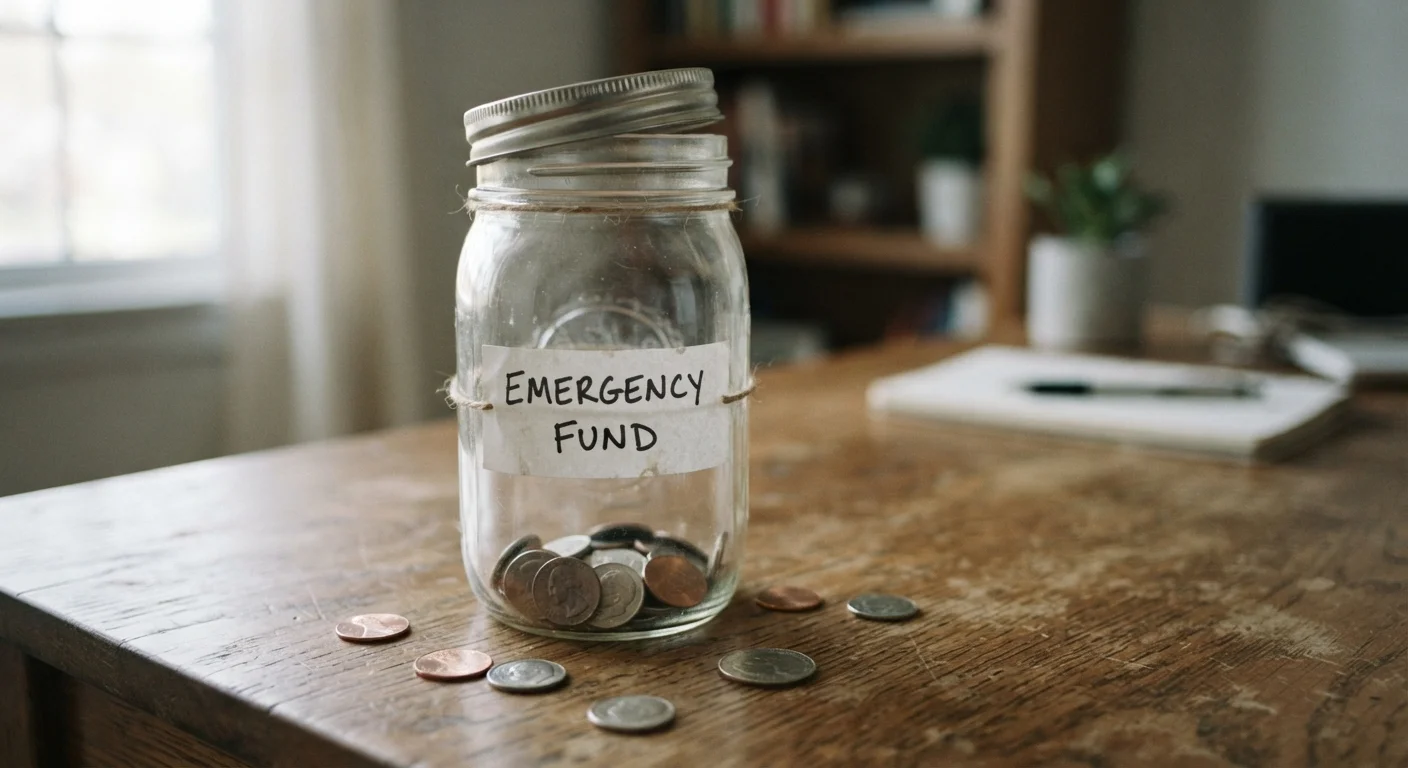
The Pattern Behind the Problem
An emergency fund is supposed to sit quietly in the background — growing slowly until a genuine crisis calls on it. But for many young adults, the fund never reaches that quiet stage. It gets tapped for a concert ticket, a car repair that wasn't quite urgent, or a weekend trip, and the cycle restarts. If this sounds familiar, you're not alone, and the cause is almost never a lack of willpower.
What's usually happening is a structural problem: the money is too easy to reach, the definition of 'emergency' is too loose, or contributions are too irregular to build any real momentum. Understanding what an emergency fund is actually for is the first step to protecting it. The mistakes below map directly to the patterns that most often derail savers — and each has a concrete fix.
Mistakes That Drain Your Fund Before It Grows
These are the most common errors that prevent emergency savings from reaching a meaningful balance — and what to do instead.
Treating non-emergencies as emergencies.
Why it happens: Without a written definition of what counts as an emergency, everything from a sale on electronics to an unplanned dinner out can feel urgent enough to justify a withdrawal.
Saving inconsistently, only when money feels 'left over.'
Why it happens: Many people plan to save what remains after spending, but discretionary spending tends to expand to fill available income, leaving little or nothing to transfer.
Storing the fund in a checking account used for daily spending.
Why it happens: It feels convenient and consolidates accounts, but the lack of separation makes it psychologically and practically easy to spend savings without a second thought.
Raiding the fund for predictable, plannable expenses.
Why it happens: Annual bills like car registration, holiday gifts, or back-to-school costs arrive on schedule every year — but without a separate sinking fund for them, people reach into emergency savings.
Setting an unrealistically high savings target and quitting early.
Why it happens: Hearing that you need three to six months of expenses saved can feel overwhelming, leading to paralysis or abandonment when early progress feels insignificant.
If you're starting from zero after clearing out a fund, see our step-by-step guide to rebuilding from scratch.
Don't Pause Contributions While Rebuilding Debt
A common but risky move is stopping all emergency fund contributions to pay down debt faster. While reducing high-interest debt is important, having zero emergency savings means any unexpected expense goes straight back onto a credit card. Maintaining even a small, consistent contribution to your emergency fund while paying debt provides a critical buffer against that cycle.
Keeping Your Fund Where It's Too Easy to Spend
Account placement may sound like a minor detail, but it has an outsized effect on behavior. When emergency savings sit in the same checking account you use for groceries and subscriptions, the psychological and logistical barrier to spending it is nearly zero. One slow week and that balance starts to look like a buffer for regular expenses.
Moving savings to a separate account — ideally at a different institution — adds just enough friction to pause impulsive withdrawals. Even a one- or two-day transfer window gives you time to ask whether the expense is genuinely urgent. You can also compare whether a dedicated savings account might work better for your situation by reading about the hidden cost of keeping emergency savings in a checking account.
~57%
Americans unable to cover a $1,000 emergency
A Bankrate survey found that fewer than half of U.S. adults could pay a $1,000 unexpected expense from savings without borrowing.
1–2 days
Transfer delay that reduces impulsive withdrawals
Financial behaviorists note that even a short waiting period between a withdrawal decision and fund access meaningfully reduces unnecessary spending from savings.
For a broader look at account options, understanding the differences between account types can help you decide where your fund should live long-term.
Making Progress — and Keeping It
Once you've identified the mistakes draining your fund, the goal shifts to locking in habits that hold. The most reliable fix across all the patterns above is automation: scheduling a fixed transfer to your emergency account on every payday removes the decision from your hands entirely. Start with whatever amount won't cause you to overdraft — even $10 or $20 per paycheck is a real foundation. Consistency matters more than size at this stage.
The end-to-end emergency fund guide covers replenishment strategies for after a legitimate withdrawal — because rebuilding quickly matters just as much as building in the first place. And if your budget feels too tight to save anything right now, budgeting basics can help you find room. The structural changes are small; the long-term payoff is stability you can actually feel.
This article is for general informational and educational purposes only and does not constitute personalized financial advice. Consider consulting a qualified financial professional for guidance specific to your situation.
The content provided on our blog site traverses numerous categories, offering readers valuable and practical information. Readers can use the editorial team’s research and data to gain more insights into their topics of interest. However, they are requested not to treat the articles as conclusive. The website team cannot be held responsible for differences in data or inaccuracies found across other platforms. Please also note that the site might also miss out on various schemes and offers available that the readers may find more beneficial than the ones we cover.