

Our Verdict
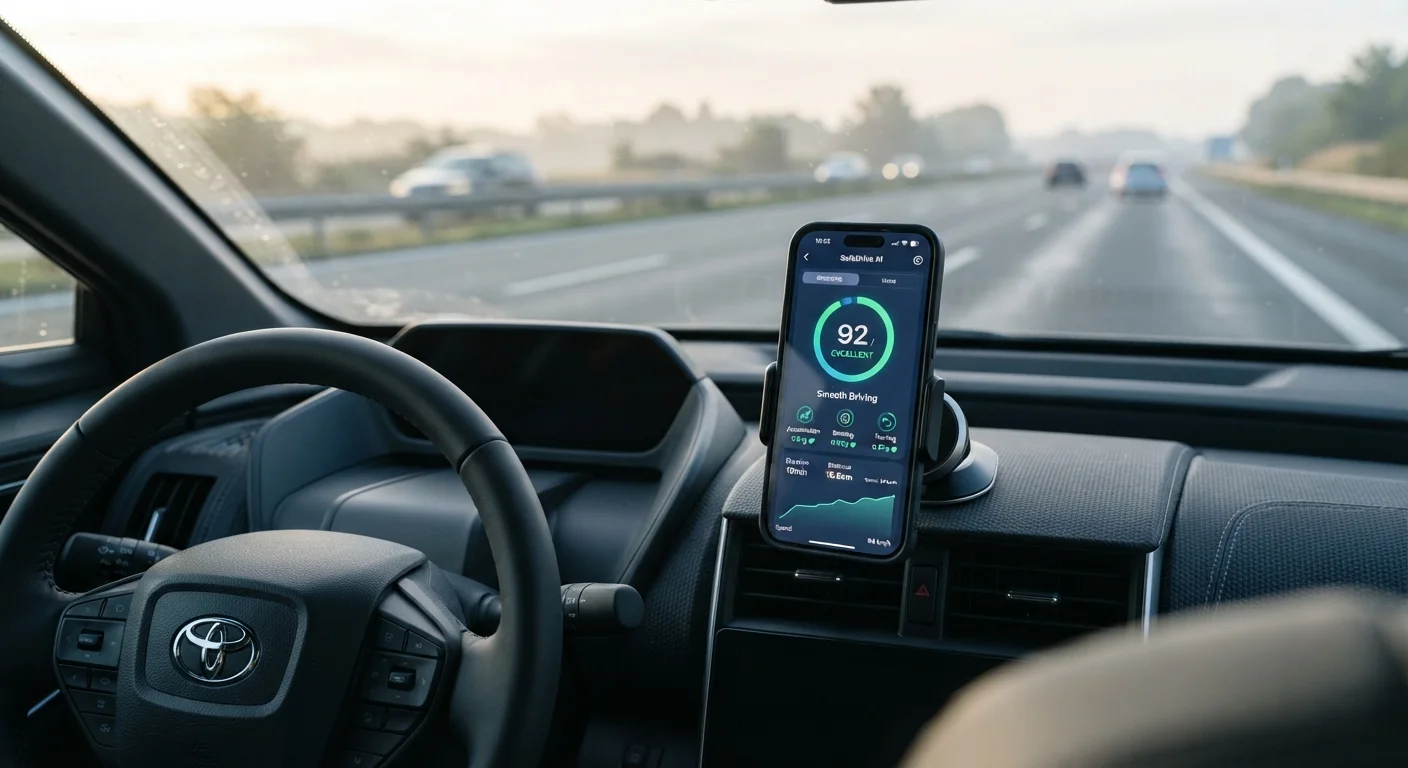
Usage-based and pay-per-mile insurance can meaningfully reduce premiums for drivers who log fewer miles or demonstrate consistently safe habits behind the wheel. However, they require sharing detailed driving data and can backfire if your driving patterns don't align with what insurers reward.
Best for low-mileage drivers, remote workers, or safe drivers who want their premium to reflect their actual behavior rather than broad demographic assumptions.
What Usage-Based Insurance Actually Is
Usage-based insurance (UBI) is an auto insurance pricing model that replaces broad demographic assumptions - like your age or ZIP code - with data from your real driving behavior. Instead of paying a fixed rate calculated from population-level statistics, your insurer monitors how you drive and adjusts your premium accordingly.
There are two main forms. Behavior-based telematics programs track driving habits such as hard braking, rapid acceleration, phone use, cornering speed, and the time of day you drive. Insurers use this data to assign a driving score, which then influences your rate. Pay-per-mile programs take a simpler approach: you pay a low base rate each month plus a fixed cost per mile driven - often a few cents per mile. The less you drive, the less you pay.
Data is collected via a plug-in device (OBD-II dongle) inserted into your car's diagnostic port, a dedicated smartphone app, or - on newer vehicles - direct integration with the car's built-in telematics system. For a broader overview of how standard auto policies are structured, see our plain-English coverage types reference.
Pros of Telematics Policies
For the right driver, these programs offer genuine financial advantages and a more transparent pricing structure.
Premiums reflect your actual driving, not averages
Traditional rating relies heavily on age, gender, and credit score - factors that may not reflect how carefully you drive. Telematics lets safe drivers of any age demonstrate their habits directly.
Real savings for low-mileage drivers
Pay-per-mile programs are especially cost-effective if you drive infrequently. Drivers who work from home or use public transit most days can often reduce their insurance costs significantly compared to standard fixed-rate policies.
Potential to earn discounts at enrollment
Many insurers offer an upfront discount just for signing up, before any driving data is collected. This signup incentive can provide savings independent of your eventual driving score.
Encourages safer driving habits
Knowing your braking and acceleration are being scored can motivate more attentive driving, which may reduce accident risk beyond just the financial benefit.
Transparent feedback on your driving
Most programs provide a dashboard or app showing your scores in real time, giving you concrete feedback on which behaviors to improve - something a traditional policy never offers.
~30%
Potential premium savings for safe UBI participants
Industry estimates from insurers and insurance research groups suggest safe drivers can save up to roughly 30% through behavior-based programs, though actual results vary widely by insurer and individual.
~50%
U.S. households that could benefit from pay-per-mile pricing
Research from transportation analysts has suggested roughly half of American households drive low enough annual mileage that per-mile pricing could be cost-competitive or better than flat-rate policies.
Cons and Privacy Trade-Offs
Before enrolling, it's important to understand what you're giving up - and where these programs can cost you more, not less.
Continuous collection of detailed driving data
Insurers collect data including location, speed, time of day, and braking patterns. Depending on the program, this data may be retained, shared with third parties, or potentially accessed in legal proceedings following an accident.
Rates can increase for risky or nighttime driving
If your driving score comes in lower than expected - due to late-night trips, highway merging, or urban stop-and-go conditions - your renewal premium may rise rather than fall.
Not available in every state
Pay-per-mile and telematics programs are not offered uniformly across all U.S. states, and the terms of available programs differ significantly by insurer and region.
High-mileage drivers rarely benefit
Pay-per-mile pricing is straightforward: the more you drive, the more you pay per period. Regular commuters or road-trip enthusiasts may end up paying more than they would on a standard policy.
Smartphone app programs can drain battery and require constant access
App-based telematics requires location services to run continuously, which can affect phone battery life and may raise concerns for those managing data privacy carefully.
Data Privacy: Key Questions to Ask
Before enrolling in a telematics program, review the insurer's privacy policy to understand exactly what data is collected, how long it is retained, and whether it can be shared with third parties or used in claims disputes. Some states have enacted regulations around telematics data use, but practices vary. If privacy is a concern, asking these questions upfront - rather than after enrollment - will help you make an informed choice. For unfamiliar insurance terms in any policy you review, our auto insurance glossary can help clarify the language.
Who Should - and Shouldn't - Consider UBI
Strong candidates for UBI programs include remote workers who stopped commuting daily, college students who walk or bike most of the week, retirees with low annual mileage, and drivers with a clean record who want their safety to be rewarded financially. If you drive fewer than roughly 7,500-8,000 miles per year, pay-per-mile programs in particular may offer noticeable savings compared to a standard policy.
Less ideal candidates include high-mileage commuters, rideshare or delivery drivers whose vehicles log heavy use, drivers who work late-night shifts (night driving is often penalized by scoring algorithms), and anyone concerned about ongoing data collection and how it might be used or shared beyond the insurer.
It's also worth remembering that UBI rates are influenced by more than just what you do - when and where you drive matters too. To understand how other rating factors interact with your premium, see why two drivers with the same car can pay wildly different rates.
This article provides general information about auto insurance program types and is not personalized insurance or financial advice. Coverage terms, data practices, savings potential, and program availability vary by insurer and state. Always read your policy documents carefully and consult a licensed insurance agent for guidance specific to your situation.
The content provided on our blog site traverses numerous categories, offering readers valuable and practical information. Readers can use the editorial team’s research and data to gain more insights into their topics of interest. However, they are requested not to treat the articles as conclusive. The website team cannot be held responsible for differences in data or inaccuracies found across other platforms. Please also note that the site might also miss out on various schemes and offers available that the readers may find more beneficial than the ones we cover.