

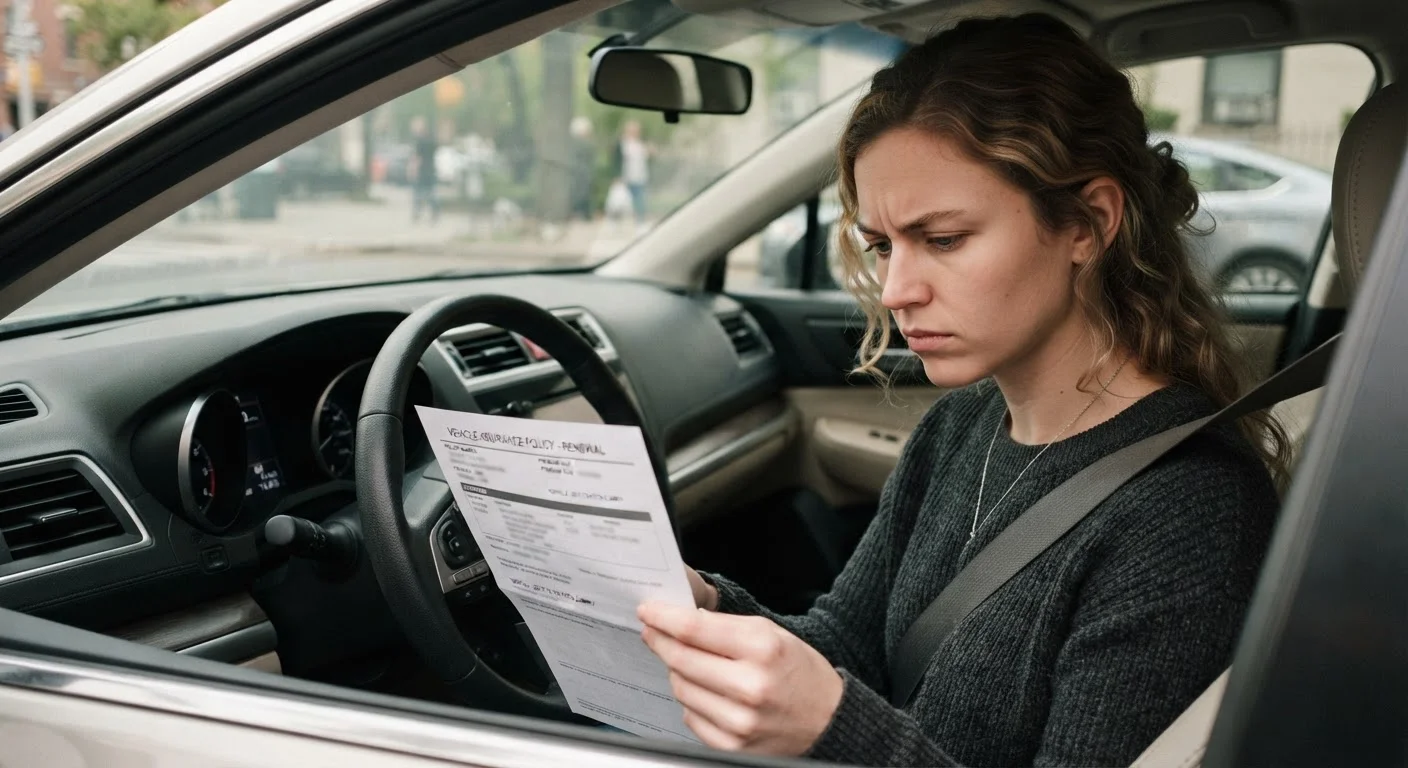
It's Not Personal - It's Probability
If you've recently shopped for car insurance and experienced sticker shock, you're not imagining it. Young drivers - broadly defined as those under 25 - routinely pay substantially more than older, experienced motorists for comparable coverage. The explanation isn't arbitrary. It comes down to how insurers price risk, and what the data actually shows about new drivers.
Insurers use a practice called actuarial analysis - the statistical study of risk and probability - to set premiums. They look at millions of claims across thousands of driver profiles and ask: how likely is someone in this category to cost us money? Young drivers, as a group, cost more because they crash more. According to the U.S. Centers for Disease Control and Prevention, motor vehicle crashes are a leading cause of death among teenagers, and drivers aged 16-19 are involved in crashes at roughly three times the rate of drivers 20 and older.
That population-level data is what drives your individual premium - even if you personally are a cautious, attentive driver. Learn more about how insurers weigh multiple factors to arrive at the premium each driver pays.
3x
Crash rate: teens vs. older drivers
According to the U.S. Centers for Disease Control and Prevention, drivers aged 16-19 are involved in crashes at approximately three times the rate of drivers aged 20 and older.
~$4,000+
Average annual premium, drivers under 25
Industry analyses from sources including Bankrate and the Insurance Information Institute consistently show drivers under 25 paying substantially higher average premiums than the national driver average.
25
Age at which premiums typically begin to drop
Most insurers apply significant rate reductions as drivers move past age 25 and accumulate several years of clean driving history.
Inexperience Is the Core Variable
Age itself isn't the real issue - inexperience is. The two are closely correlated for most drivers, but the distinction matters. A 30-year-old who just got their license for the first time will generally pay higher rates than a 30-year-old who has been driving for a decade. What insurers are really pricing is the absence of a demonstrated track record.
New drivers lack the automatic hazard recognition that develops over years behind the wheel. Research in traffic psychology shows that experienced drivers process road environments more efficiently, anticipating risks before they escalate. New drivers tend to react rather than anticipate - which means more last-second braking, more misjudged gaps in traffic, and more single-vehicle incidents like backing into obstacles or losing control in wet conditions.
This is also why the type of driving matters. Highways, night driving, and unfamiliar routes each compound inexperience in ways that raise crash probability. Insurers factor in the statistical reality that new drivers encounter these conditions without the cognitive shortcuts that experience builds.
Telematics Can Replace Assumptions With Data
If you're a careful driver, a usage-based insurance program lets your actual behavior speak for itself - rather than being priced on the worst-case assumptions applied to your age group. Ask any insurer you're considering whether they offer a telematics or behavior-based discount program, and whether it could lower your rate based on real driving data.
Factors That Compound the Premium Gap
Beyond inexperience, several additional variables pile onto a young driver's base rate:
- No claims history: Insurers reward drivers who have demonstrated low-risk behavior over time. Without a multi-year record of clean driving, you have nothing to offset the statistical risk profile of your age group.
- Credit-based insurance scores: In most states, insurers use a version of your credit history - not your credit score directly - to help predict claim likelihood. Young adults with limited credit history often score lower, which can raise premiums. A few states prohibit this practice.
- Vehicle choice: High-performance cars, vehicles with expensive repair parts, or models with poor safety ratings all cost more to insure. Young drivers who choose sporty or older vehicles without modern safety features can amplify an already elevated rate.
- Urban location: Dense urban areas have higher rates of theft, accidents, and uninsured drivers - all of which factor into your premium. A 20-year-old living in a major city pays more than the same driver in a rural town.
Understanding these layers helps you identify what you can and can't change. Several factors quietly push premiums up without drivers realizing it - and some are addressable.
What Can Actually Move the Needle on Your Rate
The good news is that your premium isn't fixed. Certain choices and behaviors have a measurable effect on what you pay, even early in your driving career.
Build a clean record from day one. Every year without an at-fault accident or moving violation is a year of evidence working in your favor. Most insurers review your history over a three-to-five year window, so the habits you form now directly shape what you'll pay later.
Explore telematics programs. Many insurers offer usage-based programs that track your actual driving behavior - speed, braking, time of day - via a smartphone app or plug-in device. Drivers who demonstrate safe habits through these programs can earn meaningful discounts, effectively letting you opt out of the worst statistical assumptions about young drivers.
Ask about available discounts. Good student discounts, driver's education completion discounts, and bundling with a parent's household policy are all worth investigating. None of these are automatically applied - you typically need to ask.
Choose your vehicle deliberately. A safe, modest vehicle with good crash-test ratings and low repair costs will be cheaper to insure than a powerful or aging vehicle. This is one of the highest-leverage decisions you can make before purchasing a car.
For a broader look at coverage choices, see what every young driver actually needs to know about auto insurance before committing to a policy. And don't let common misconceptions steer you wrong - several widespread myths about car insurance can cost you real money if you take them at face value.
This article provides general educational information about auto insurance pricing and is not personalized insurance or financial advice. Coverage terms, discounts, and rating factors vary significantly by insurer and state. Consult a licensed insurance agent for guidance specific to your situation.
Frequently Asked Questions
Premiums generally begin to decrease as drivers move through their mid-twenties, with more significant drops around age 25. However, a clean driving record matters more than age - a 24-year-old with no claims may pay less than a 30-year-old with recent violations.
Actuarial data consistently shows that young male drivers are involved in more severe crashes and file more claims than young female drivers of the same age. This statistical difference allows insurers in most states to charge different rates by gender, though a few states prohibit gender as a rating factor.
In most cases, yes. Being listed as a driver on an established household policy typically costs less than purchasing a standalone policy, because the primary policyholder's longer history and lower risk profile anchor the overall rate. Check with a licensed insurance agent to understand how this affects your specific situation.
Many insurers offer discounts for drivers who maintain a certain GPA - commonly a B average or above. The savings vary by insurer and state but can reduce premiums noticeably. Ask your insurer directly what documentation they require.
Completing an approved defensive driving or driver's education course can qualify you for a discount with many insurers, particularly for drivers under 21. The availability and size of the discount varies by provider and state, so confirm eligibility before enrolling.
The content provided on our blog site traverses numerous categories, offering readers valuable and practical information. Readers can use the editorial team’s research and data to gain more insights into their topics of interest. However, they are requested not to treat the articles as conclusive. The website team cannot be held responsible for differences in data or inaccuracies found across other platforms. Please also note that the site might also miss out on various schemes and offers available that the readers may find more beneficial than the ones we cover.